
Best Developer Tools products of the week August 3, 2026
Explore the most innovative and popular developer tools products that captured the community's attention during week. These rankings help builders compare standout launches, understand what each product does, and discover practical tools shaping the future of technology.
Period
Weekly ranking
Published for
August 3, 2026
Selection
10 ranked products
Ranked list
Community-backed developer tools picks
Each product profile includes the launch story, visual preview, and direct product link so readers can move from discovery to evaluation quickly.
01

Vibe Buddy is a compact desktop robot that provides a visual status update for your AI coding tools. It monitors your Codex and Claude Code usage limits and current task status so you can stay focused on your work. The device lets you know exactly when the AI is processing, waiting for your input, or if you have hit a usage limit, all without requiring you to switch tabs or check your browser manually.
02

Atlaso creates a persistent memory layer that connects all your AI tools. Once you set it up, platforms like Claude Code, Cursor, and ChatGPT can automatically recall your specific project history, past decisions, and your personal workflow preferences. This eliminates the need to constantly re-explain your context at the start of every session. By providing a shared memory that follows you across different applications, Atlaso ensures your AI assistants are always up to speed. The project is backed by original memory research and is free to get started.
03

Launch a long-horizon AI agent with a single click using Agentsky. You can choose from models like Claude Code, Codex, Hermes, or OpenClaw to handle your tasks. We manage the full history and recovery for you, and you can access your agent anywhere through WhatsApp, iMessage, Telegram, Slack, the web, or our CLI and API for developers.
04


Stackovery is a modern SaaS platform built specifically for developers and makers who struggle with scattered tools, lost documentation, and invisible side projects. Instead of juggling multiple platforms like GitHub, Google Drive, Slack, Notion, and Figma, Stackovery centralizes everything into a single, intuitive dashboard. With Stackovery, users can import their projects instantly by simply pasting a URL. The platform automatically detects key information such as project name, description, and technologies used. Each project becomes a structured workspace where developers can store links, documents, credentials, notes, and resources in one place. One of the core features is its encrypted vault, which secures sensitive data like API keys and passwords using AES-256 encryption. This eliminates the risks associated with storing credentials in plain text files or chat tools.

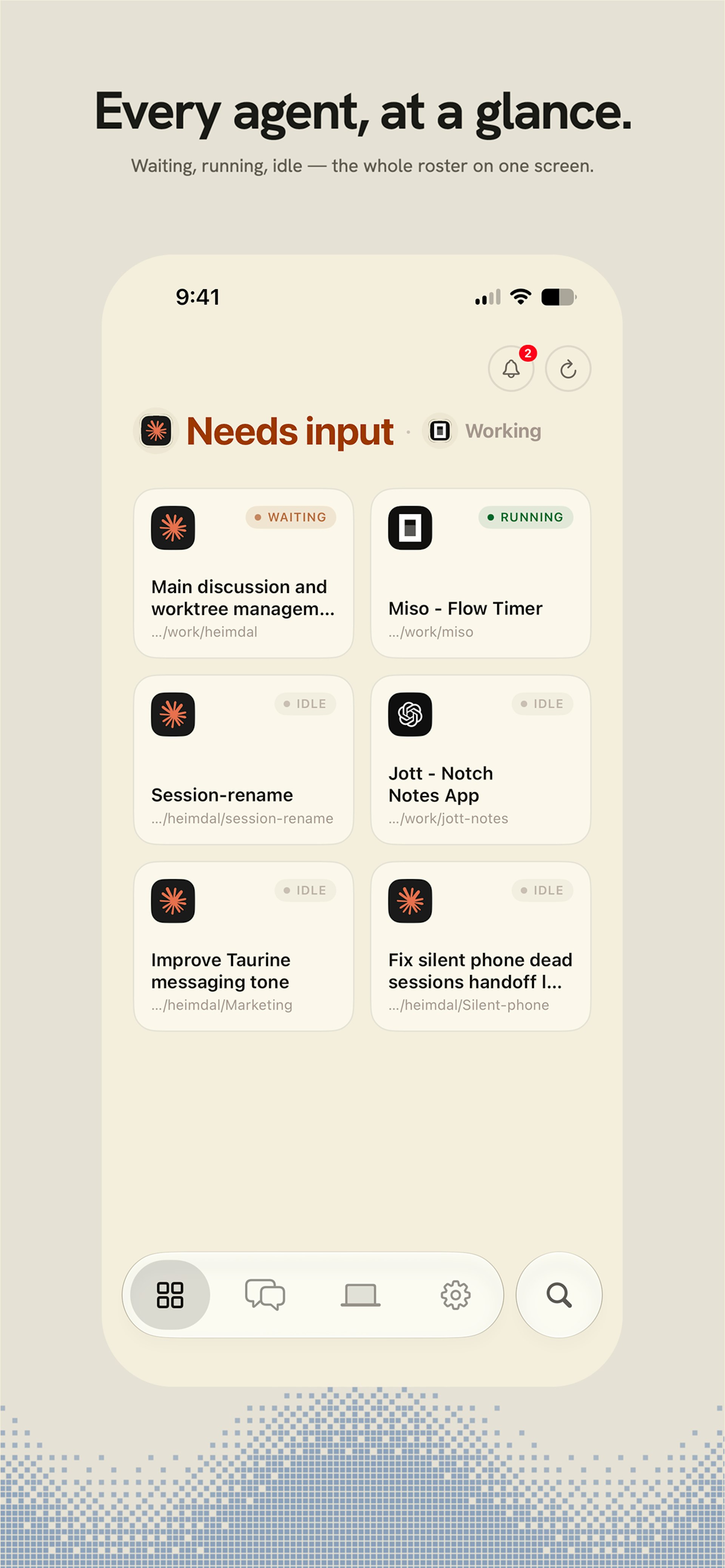
Port22 solves the problem of being tethered to your desk while waiting for a coding agent to finish a task. It connects your phone to the coding agents running on your Mac so you can monitor their progress from anywhere. When an agent gets stuck or needs approval, your phone will alert you, allowing you to tap the exact option it provided rather than guessing at keystrokes. It works with your existing setup, requiring no complex wrappers or terminal changes. This tool is perfect for developers who want to stay informed about their long-running scripts without having to babysit their computer.
06

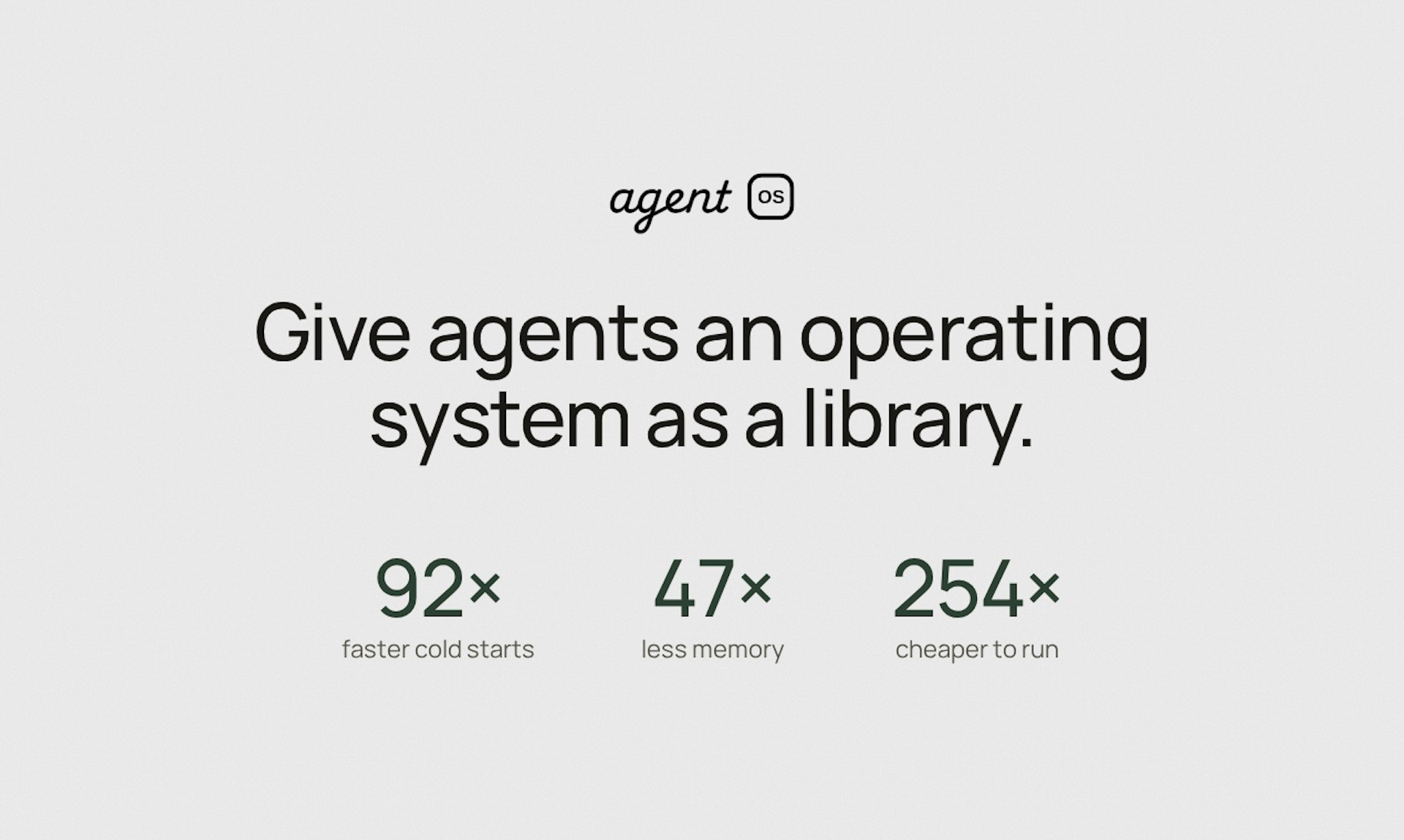
AgentOS provides a Linux operating system designed specifically as a library for your AI agents. It eliminates the need for complex sandboxes, virtual machines, or external SaaS dependencies. Built on WebAssembly, the same technology that powers platforms like Cloudflare Workers, it offers native support for tools like Claude Code, Codex, and several other agent frameworks.
07

This self-hosted Next.js and TypeScript boilerplate provides everything you need to launch quickly. It includes full OAuth 2.1 with PKCE, secure API key management with zero-downtime rotation, Stripe usage-based billing, and Redis rate limiting. You get 7 modules and over 300 tests for a single payment of 79 Euros. There is no revenue share, no platform lock-in, and the core metering engine is free and open source on npm.
08
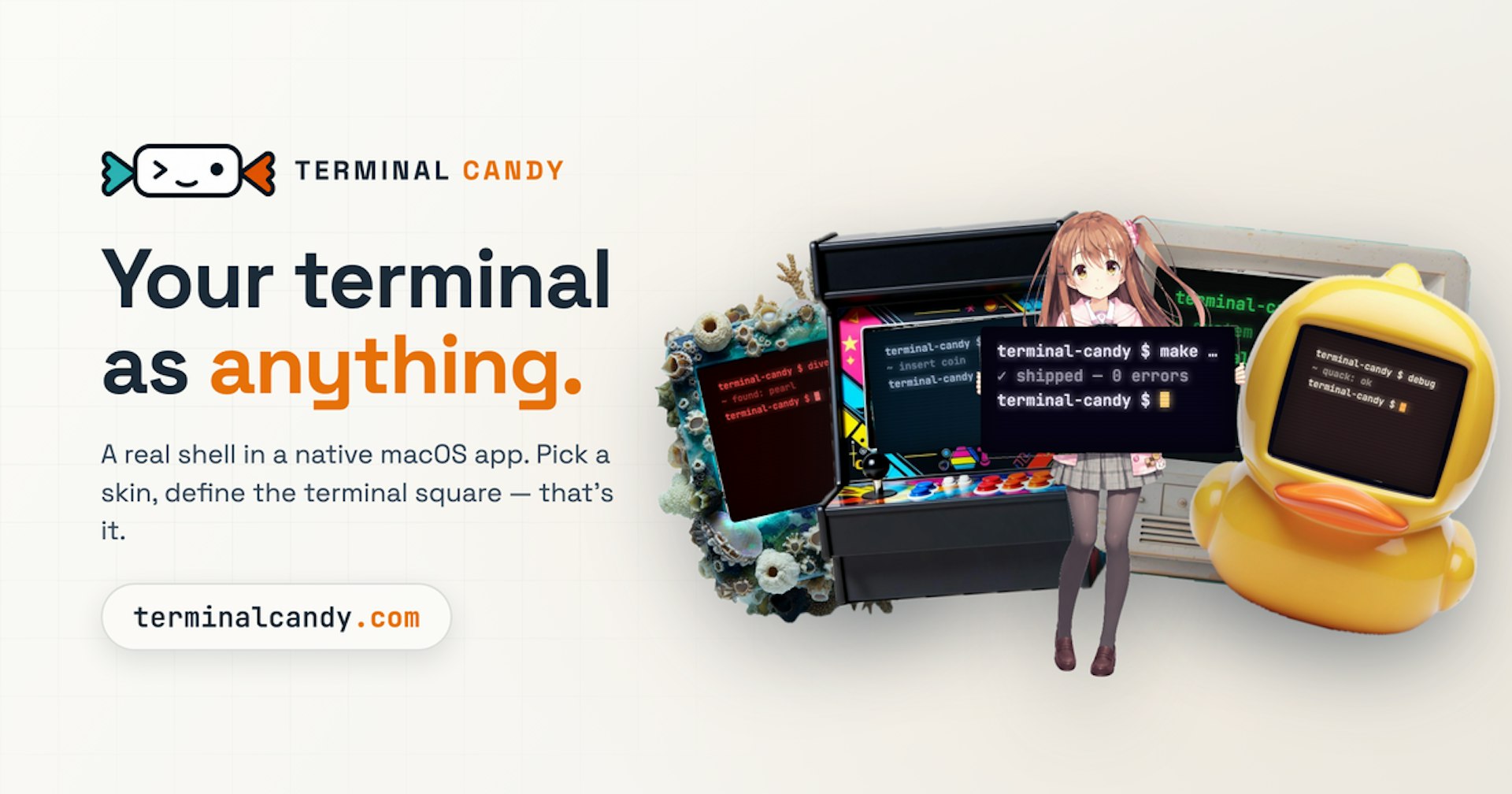
Terminal Candy transforms your standard terminal into an interactive, visual experience that you actually enjoy using. You can choose from various themes like a Game Boy, a vintage cassette deck, or a Pip-Boy, and map your terminal window directly onto the design. It notifies you with sound and dock bounces when tools like Claude Code or Codex require input, so you do not have to watch the screen constantly. The built-in Skin Builder lets you turn any image into a terminal interface, complete with CRT effects and 84 color palettes. It is a one-time purchase with no subscription, compatible with macOS 14 and Apple Silicon.
09

Task Monki is an open source desktop application designed to manage coding agents from the initial task to the final pull request. You can run multiple tasks simultaneously, track agent progress, and preview results without needing to set up complex containers. It allows you to send work between agents for reviews and fixes. You can also bring several agents into one discussion so they can compare their approaches and challenge each other to find the best solutions.
10
Greplica provides your engineering team and coding agents with a shared, intelligent memory of your codebase. It works by continuously extracting decisions, constraints, and context from your coding sessions and surfacing only what is relevant to the current task. Unlike static documentation, Greplica stays grounded in your repository and remains accurate across developers and different agents. It is an open-source tool that runs locally, though it also offers a managed shared mode for teams.