
Best Open Source products of the week August 3, 2026
Explore the most innovative and popular open source products that captured the community's attention during week. These rankings help builders compare standout launches, understand what each product does, and discover practical tools shaping the future of technology.
Period
Weekly ranking
Published for
August 3, 2026
Selection
10 ranked products
Ranked list
Community-backed open source picks
Each product profile includes the launch story, visual preview, and direct product link so readers can move from discovery to evaluation quickly.
01
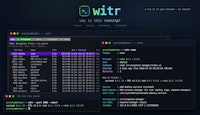
While standard tools like ps or lsof can show you what is running, witr explains why. By pointing it at a process, PID, port, container, or file, you can trace the entire chain of command, including dependencies like systemd, shell, or cron. It reveals who started the process, when it began, and any relevant warnings you should know about. You can use the interactive TUI to explore processes and locks, or script it with flags for one-line outputs or JSON responses. It is delivered as a single static Go binary that works across Linux, macOS, Windows, and BSD.
02

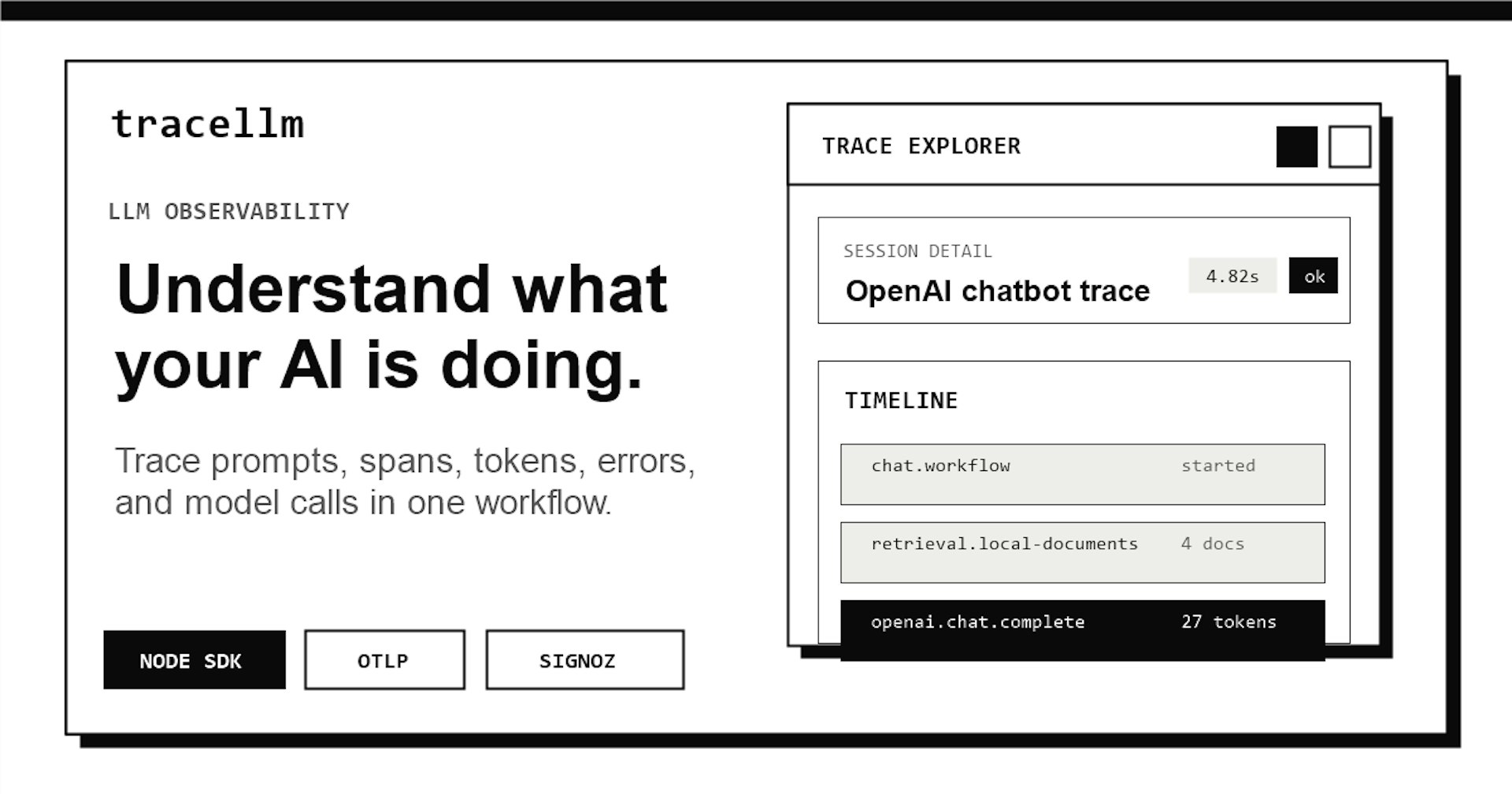
Tracellm is an observability platform specifically built for monitoring production AI applications. It gives you visibility into prompt execution, token usage, latency, spans, and error logs across all your LLM workflows. You can easily export these traces using OpenTelemetry standards, allowing your engineering team to spot bottlenecks and performance issues before they affect your end users.
03

Task Monki is an open source desktop application designed to manage coding agents from the initial task to the final pull request. You can run multiple tasks simultaneously, track agent progress, and preview results without needing to set up complex containers. It allows you to send work between agents for reviews and fixes. You can also bring several agents into one discussion so they can compare their approaches and challenge each other to find the best solutions.
04
Mectrics puts essential system data like CPU, memory, battery, network, disk, GPU, and fan speeds directly into your macOS menu bar. You have full control over what is displayed, and a quick click reveals more detailed information when you need it. The Compact Health mode is a smart feature that keeps your menu bar clean by condensing all system stats into one item that only alerts you when something requires attention. It is designed for macOS 15 and above and follows MIT licensing standards.
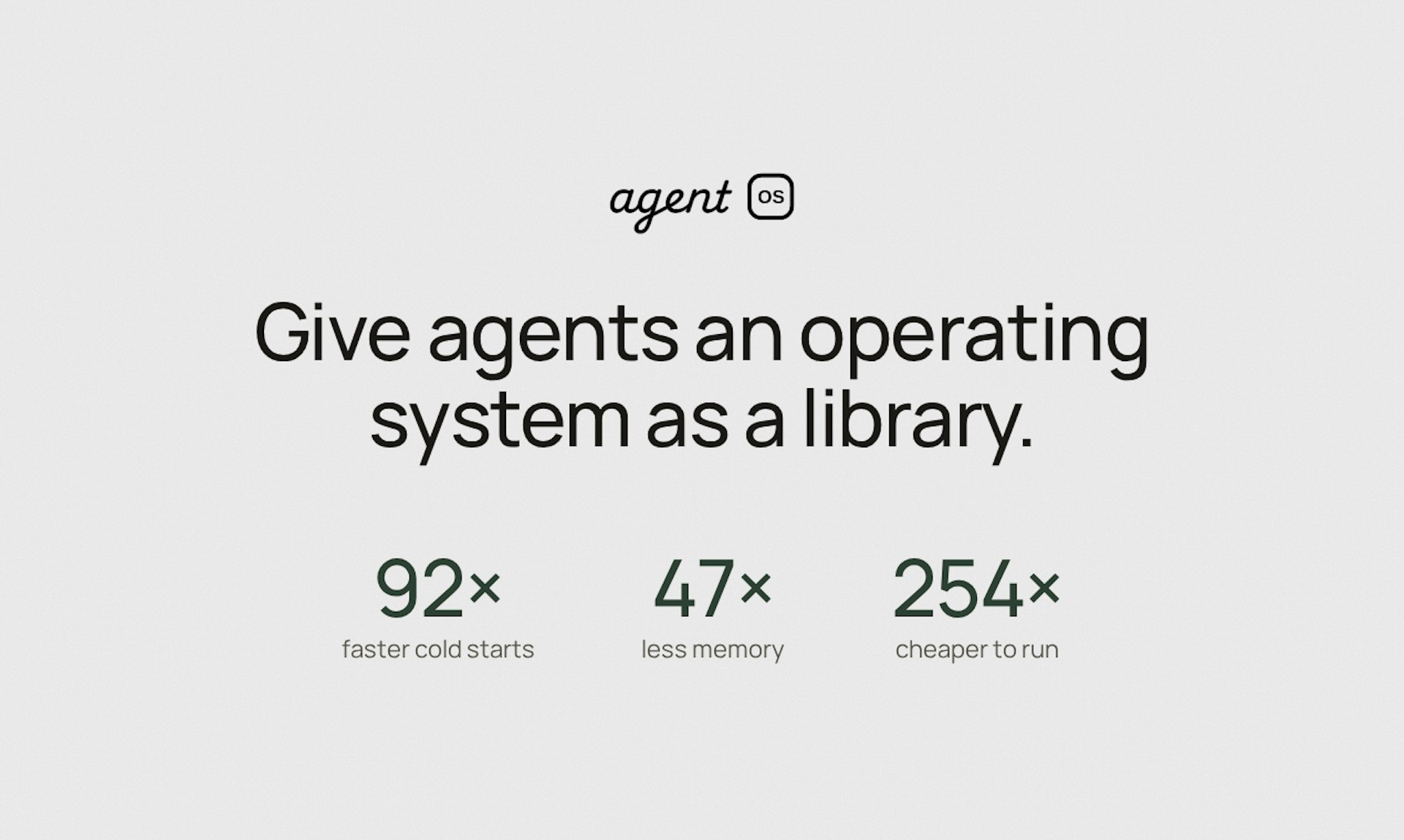
AgentOS provides a Linux operating system designed specifically as a library for your AI agents. It eliminates the need for complex sandboxes, virtual machines, or external SaaS dependencies. Built on WebAssembly, the same technology that powers platforms like Cloudflare Workers, it offers native support for tools like Claude Code, Codex, and several other agent frameworks.
06
Greplica provides your engineering team and coding agents with a shared, intelligent memory of your codebase. It works by continuously extracting decisions, constraints, and context from your coding sessions and surfacing only what is relevant to the current task. Unlike static documentation, Greplica stays grounded in your repository and remains accurate across developers and different agents. It is an open-source tool that runs locally, though it also offers a managed shared mode for teams.
07
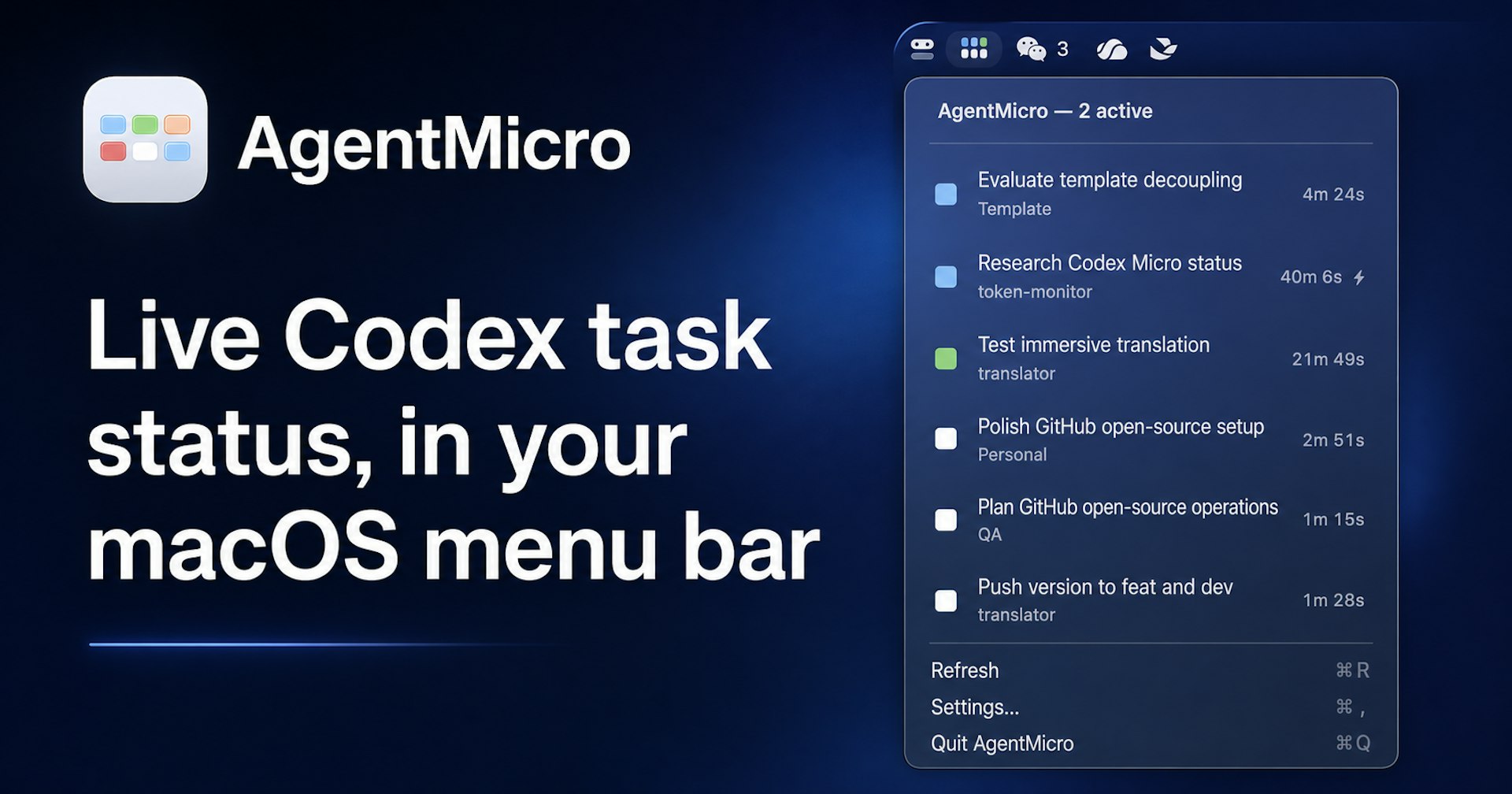
AgentMicro is a lightweight, local-first menu-bar application for macOS that helps you manage parallel Codex Desktop and CLI tasks. It provides a clear overview of task states, project details, elapsed time, and results, allowing you to jump straight into the right Codex Desktop window with a single click. Security is a priority, so the app only observes local metadata and never uploads your prompts, responses, source code, or private task history to the cloud.
08

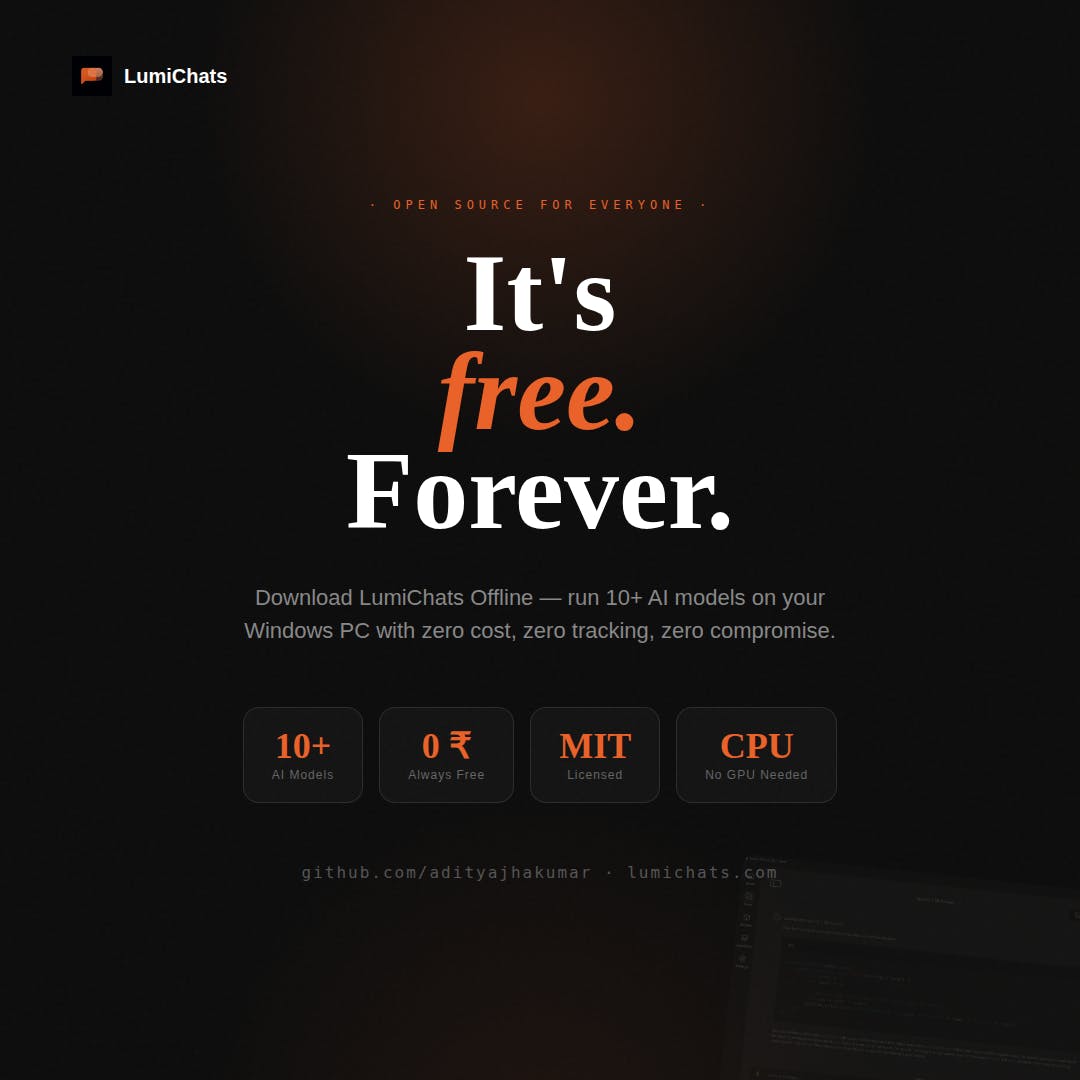
LumiChats Offline allows you to run powerful AI models right on your desktop without needing an internet connection, a cloud subscription, or a high-end GPU. This free, open-source app is built on the GPT4All framework to ensure your data stays private and secure. It supports a wide range of models including Mistral, LLaMA, Qwen, and DeepSeek, along with our own custom-tuned options. You can even chat directly with your own PDFs and local documents using the LocalDocs feature on Windows, Linux, or macOS.
09
Mpai is an open-source tool for terminal multiplayer sessions with Codex and Claude Code. It allows you to join a teammate's native session from another Mac, providing full context and letting you prompt with your own name. The host remains in control and the connection stays private through Tailscale.
10

Capptivo is a free and open-source tool designed for recording your screen and editing professional demos on macOS, Windows, and Linux. You can record everything locally, add helpful zooms that follow your cursor, polish the visual style, and burn captions directly onto your video files. Since it requires no account and has no subscription fees, you maintain full control over your data. It is a simple way to make sure your software demos look great and get the attention they deserve.