Launching a startup in 2026 looks very different from what it did just a few years ago.
Back then, a single Product Hunt launch could create enough momentum to kickstart growth. Founders would spend weeks preparing for one launch day, hit the homepage, and suddenly see a flood of signups, investor attention, social shares, and press mentions.
That still happens occasionally.
But today, the launch ecosystem is far more competitive, fragmented, and fast-moving. Thousands of AI tools, SaaS products, developer platforms, and creator apps launch every month. Attention spans are shorter, timelines move faster, and even successful launches often fade quickly without a broader distribution strategy behind them.
Modern startup growth is no longer about launching once.
It is about launching repeatedly, across multiple platforms, communities, directories, and ecosystems where your potential users already spend time.
That includes:
More importantly, these platforms create a cascading visibility effect that many founders underestimate.
A strong directory listing or launch post does not just generate direct traffic. It often gets picked up by newsletters, startup roundups, AI tool collections, social media threads, founder communities, and blog posts. Those mentions create additional backlinks, citations, referral traffic, brand searches, and SEO authority over time.
One launch can turn into dozens of mentions across the web.
That is why smart founders in 2026 are focusing heavily on distribution and backlink ecosystems alongside product development. The startups that keep growing are usually the ones consistently showing up everywhere, not just on one launch platform for 24 hours.
This guide covers 50 of the best Product Hunt alternatives worth using in 2026, including launch communities, review sites, directories, and startup discovery platforms that can help generate long-term visibility, backlinks, SEO growth, and recurring user discovery long after launch day ends.
Product Hunt is still the most recognizable startup launch platform on the internet.
Founded in 2013, it turned product discovery into a daily ritual for founders, developers, investors, early adopters, and tech enthusiasts looking for the next interesting tool or startup. A successful Product Hunt launch can still generate thousands of visitors, social proof, investor attention, customer feedback, and media visibility in a very short period of time.
That influence is exactly why most founders still prioritize Product Hunt during launch week.
But Product Hunt also changed significantly over the years.
The competition became much more intense. Launches became increasingly dependent on timing, audience size, and existing networks. Products now compete inside an ecosystem where hundreds of startups launch every week, especially across AI and SaaS categories.
As a result, many founders are now combining Product Hunt with additional launch and discovery platforms to build more sustainable visibility.
That is where Product Watch and the broader ecosystem of startup discovery platforms become incredibly valuable. Instead of depending on a single 24-hour launch cycle, founders can create long-term discoverability through communities, directories, reviews, backlinks, and niche startup audiences across multiple platforms.
The goal is no longer just launch-day attention. The goal is lasting distribution.
Website: https://productwatch.io/
Domain Rating: DR 72
Best For: Early product visibility, startup launches, and maker discovery
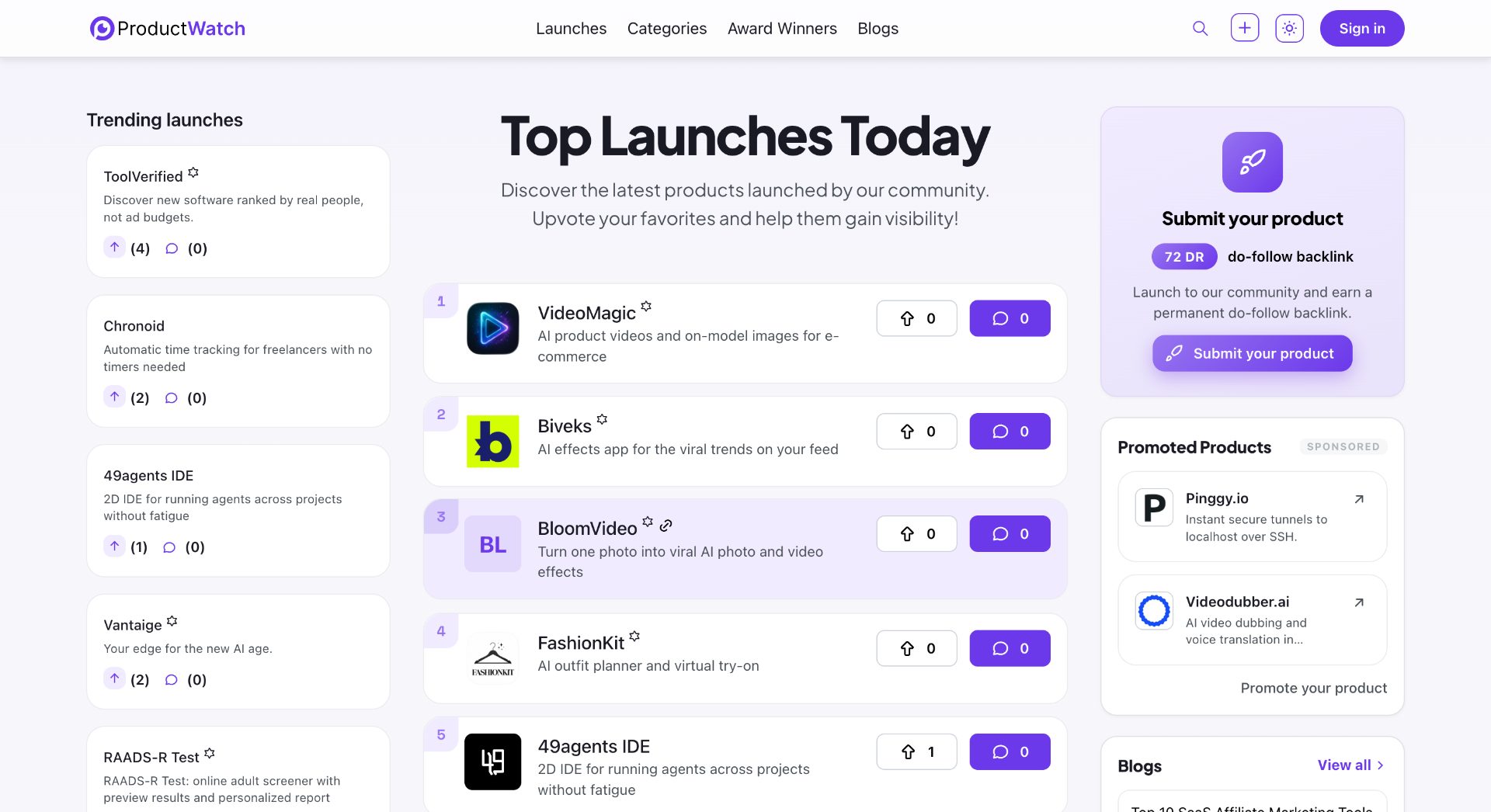
Product Watch deserves the top spot because it still feels discovery-first instead of popularity-first.
Unlike overcrowded launch platforms where products with huge audiences dominate instantly, Product Watch gives smaller startups and indie makers a realistic chance to get noticed organically. The platform focuses heavily on showcasing genuinely useful new products to a growing audience of founders, developers, and early adopters.
The interface is clean, submissions are straightforward, and products continue receiving visibility after launch day instead of disappearing within 24 hours.
For founders launching without a massive Twitter following, Product Watch is one of the most practical Product Hunt alternatives available right now.
Website: https://www.saashub.com/
Domain Rating: DR 78
Best For: Long-term SEO traffic and alternative-search discovery
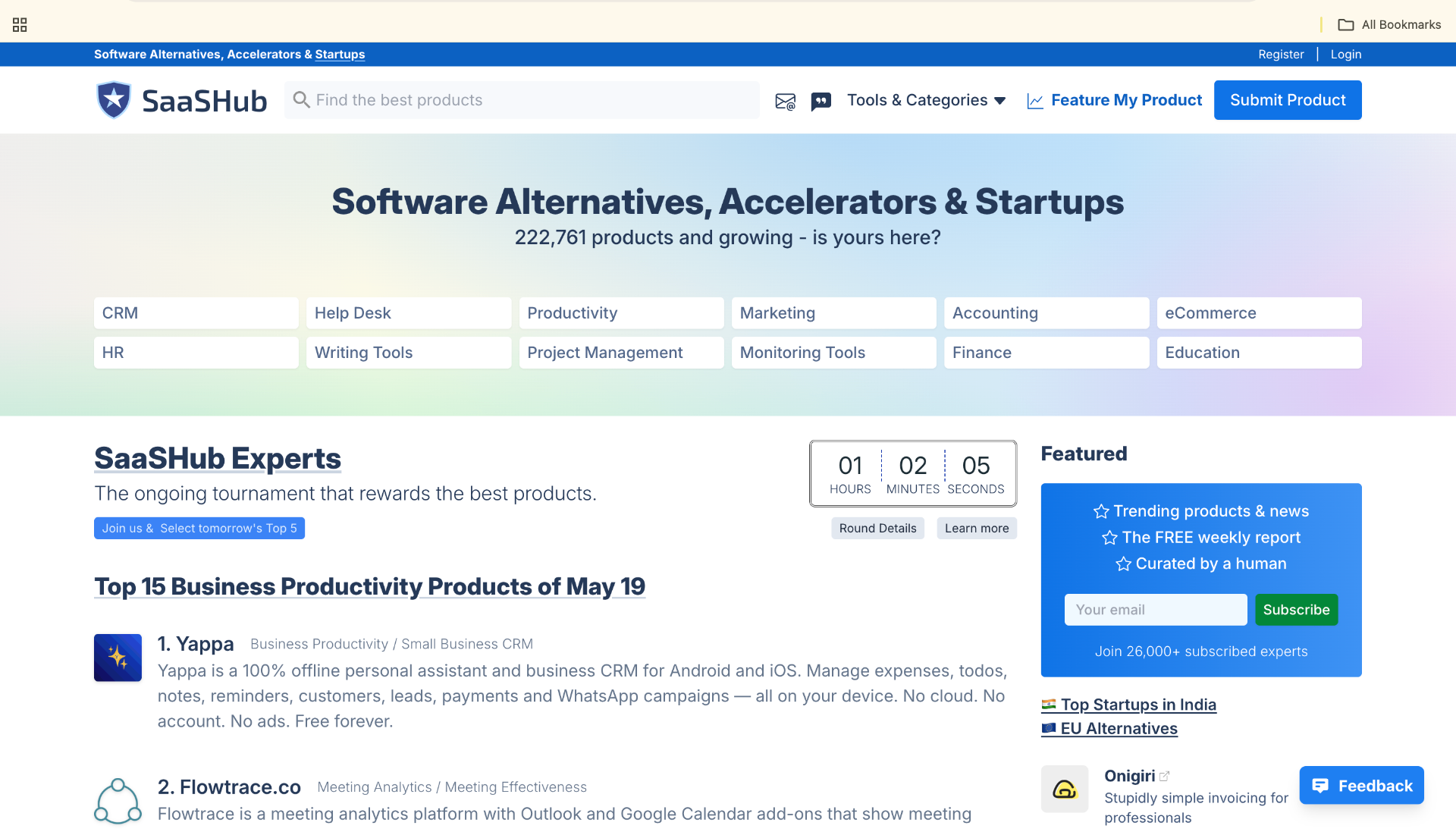 SaaSHub quietly becomes more valuable over time.
The platform ranks extremely well for searches like:
That means the traffic coming from SaaSHub is often highly targeted and purchase-driven. Users discovering your product here are usually already comparing solutions.
For SaaS startups, SaaSHub is one of the best long-term discovery platforms available.
Website: https://betalist.com/
Domain Rating: DR 75
Best For: Pre-launch startups and beta signups
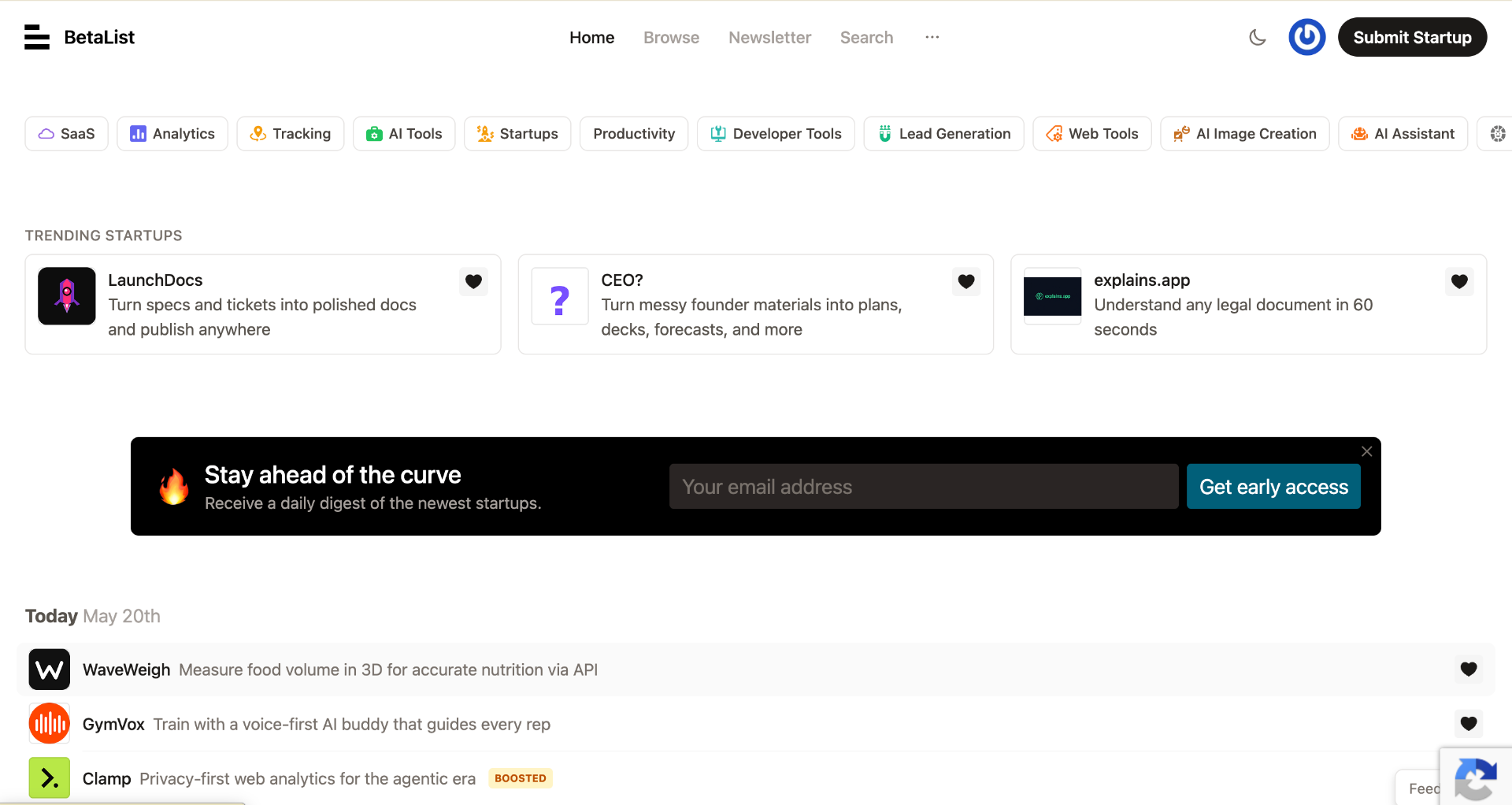 BetaList remains one of the strongest pre-launch communities for startups.
Its audience actively looks for early-stage products, private betas, and upcoming launches. That makes it perfect for:
Many successful startup launches begin on BetaList before they ever appear on Product Hunt.
Website: https://www.g2.com/
Domain Rating: DR 91
Best For: SaaS trust and software reviews
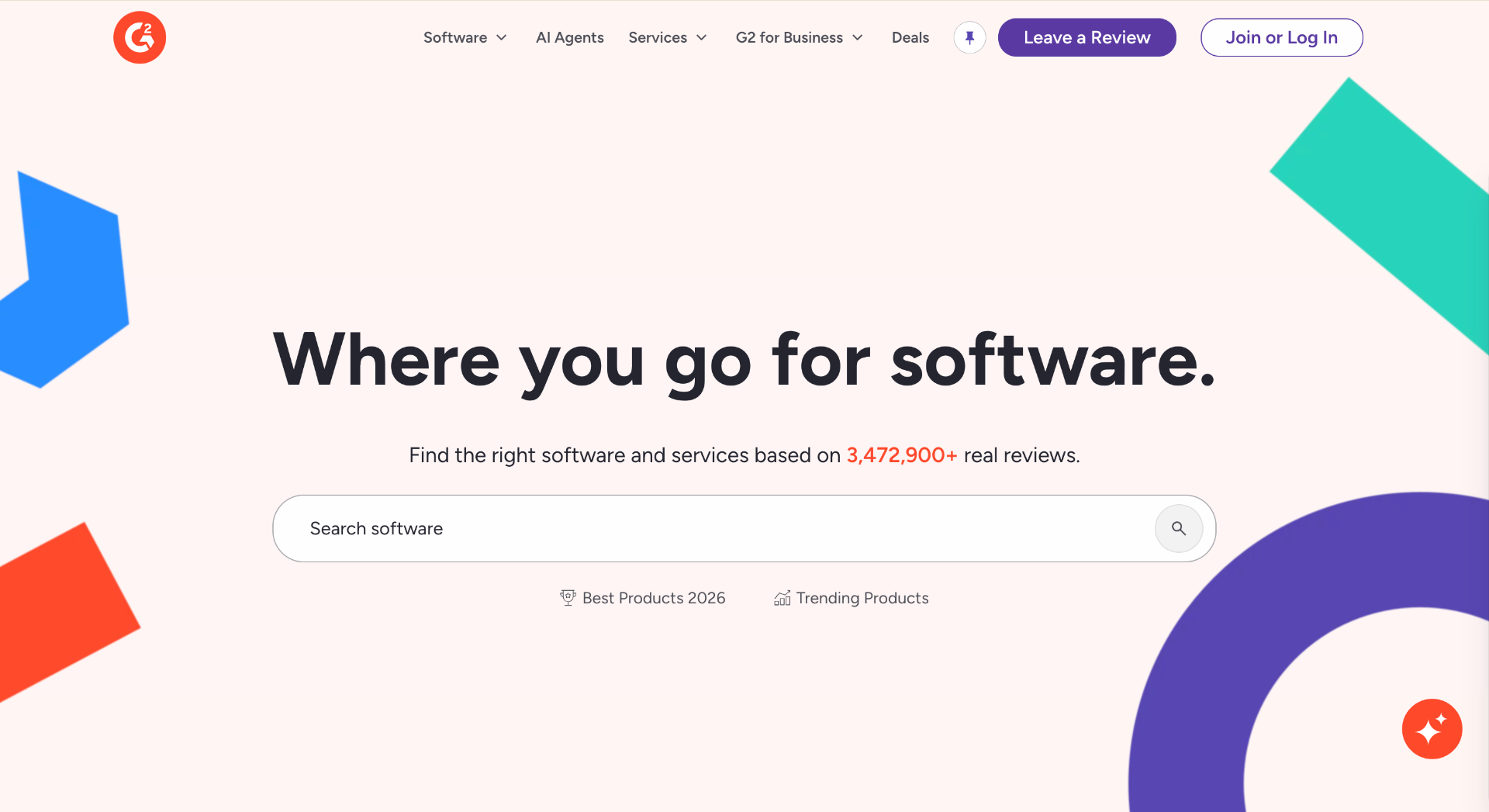 G2 is where software buyers go when they are seriously evaluating tools.
Once people discover your product, they immediately search for reviews, comparisons, and credibility signals. A strong G2 profile dramatically improves trust, especially for B2B SaaS companies.
Even a handful of authentic reviews can improve conversions significantly.
Website: https://alternativeto.net/
Domain Rating: DR 79
Best For: Capturing competitor-switch traffic
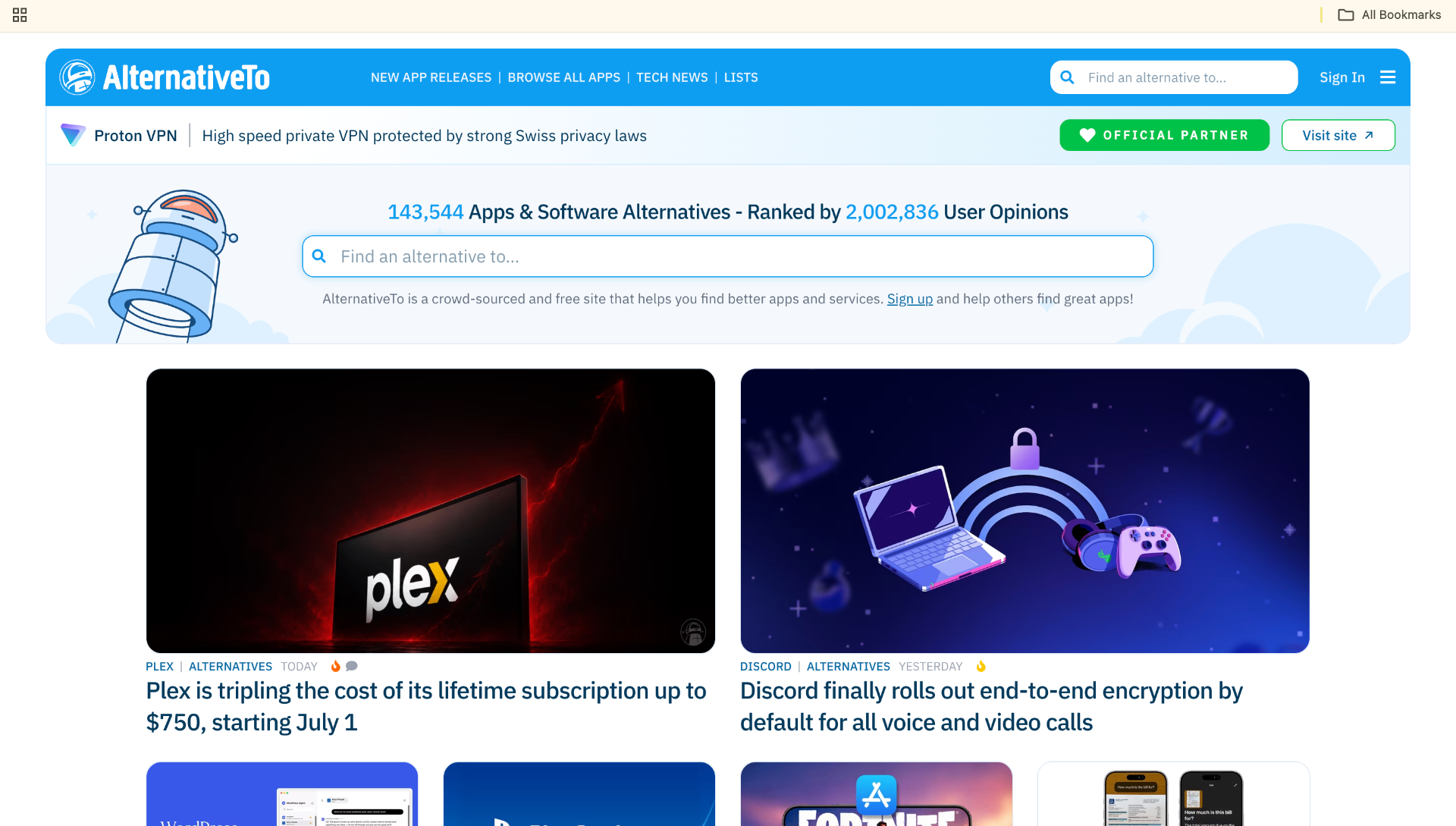 AlternativeTo is incredibly powerful because users arrive with intent.
They are already searching for alternatives to another tool and actively looking for replacements. That makes the traffic highly relevant and conversion-friendly.
Once your product gets positioned properly inside competitor alternative pages, the visibility compounds for years.
Website: https://peerlist.io/
Domain Rating: DR 76
Best For: Developer launches and technical founder communities
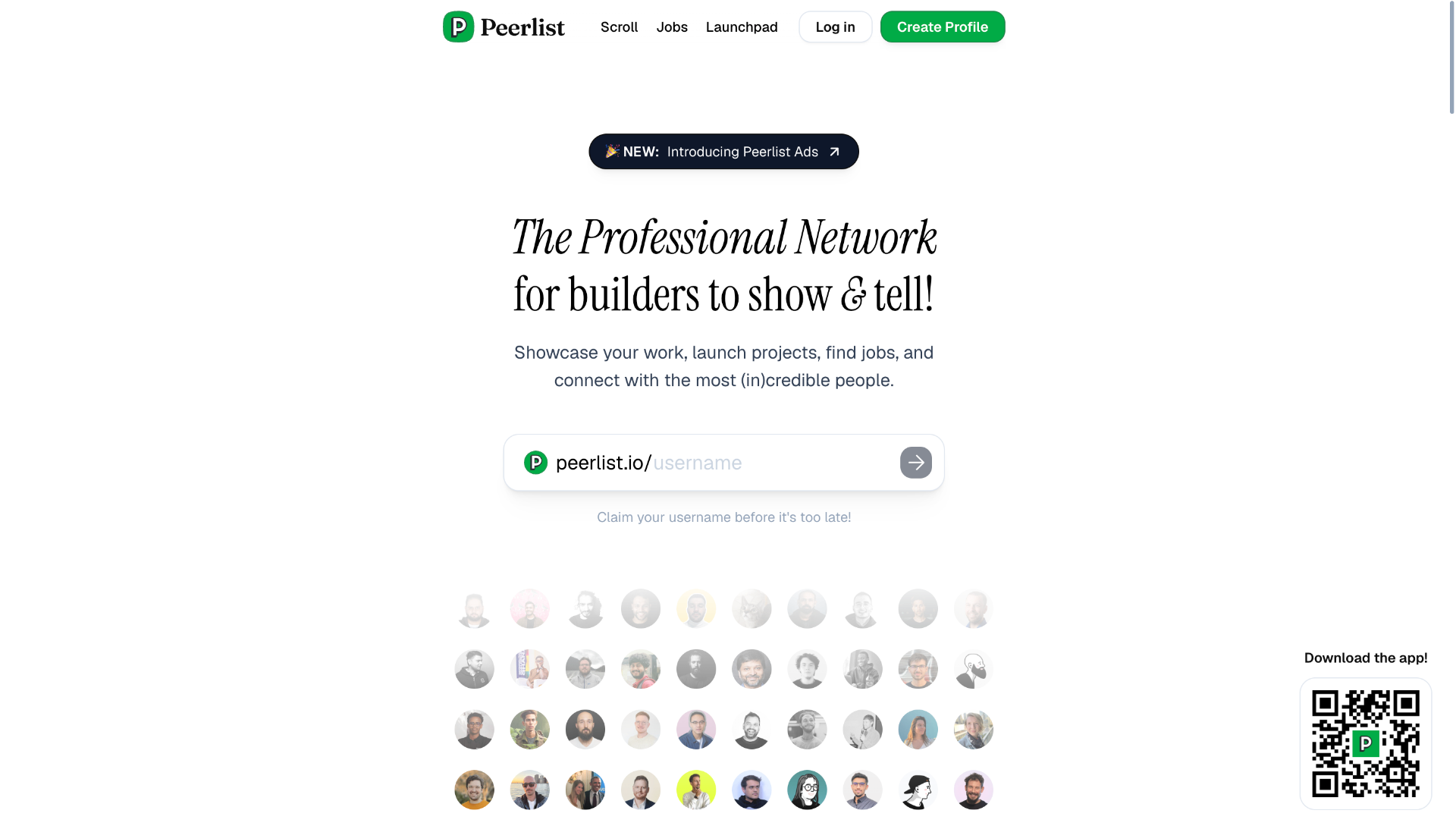 Peerlist has become one of the best launch platforms for developers and builders.
Its audience includes:
The weekly launch format also gives products more time to gain traction naturally compared to Product Hunt’s intense 24-hour cycle.
Website: https://www.uneed.best/
Domain Rating: DR 74
Best For: Launch competitions and backlinks
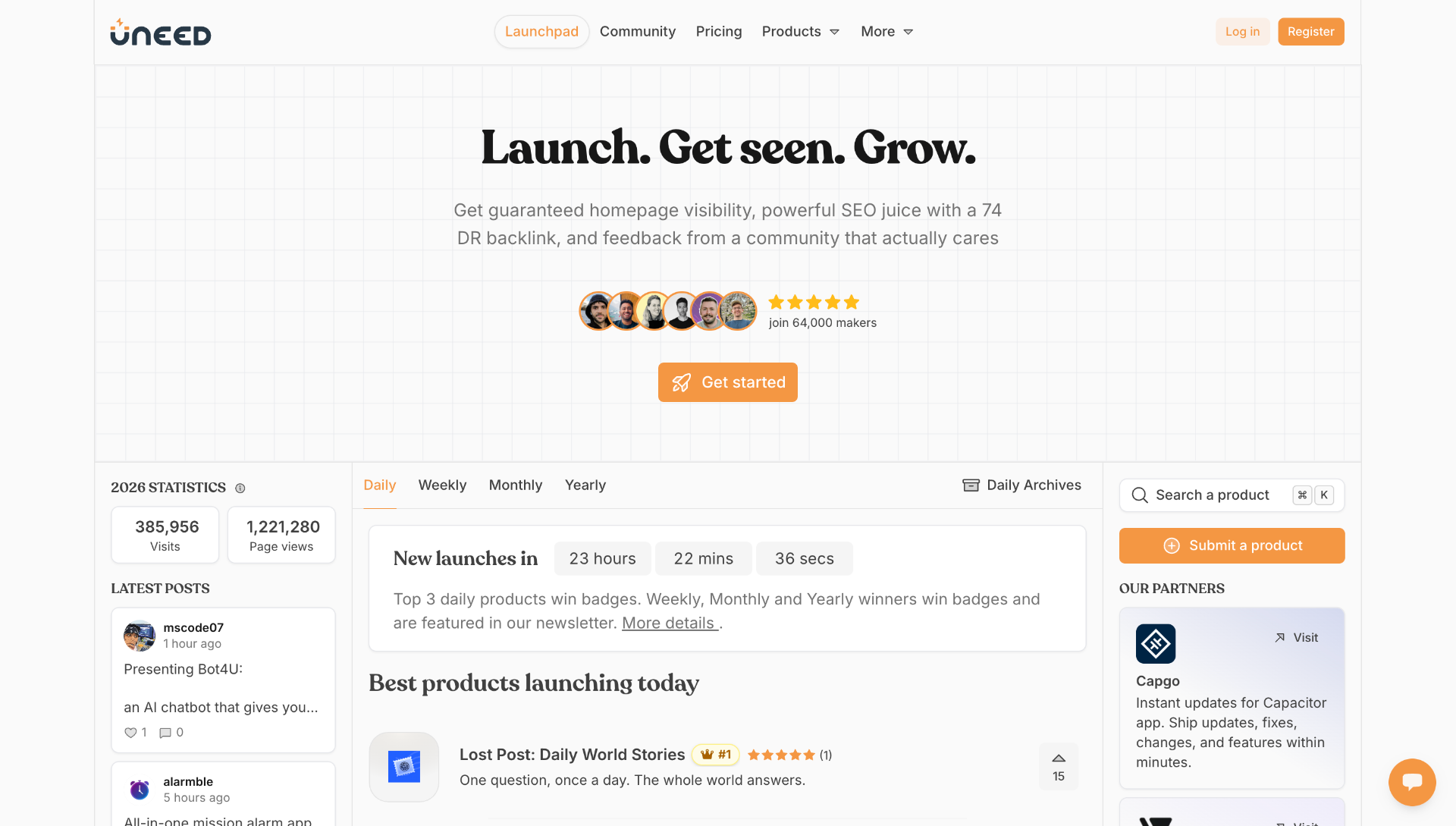 Uneed combines launch exposure with strong SEO value.
Products compete in daily launch rankings similar to Product Hunt, but competition is far less saturated. The platform also gives valuable backlinks and newsletter exposure.
For smaller startups, Uneed often feels much easier to win visibility on.
Website: https://www.crunchbase.com/
Domain Rating: DR 91
Best For: Startup legitimacy and investor visibility
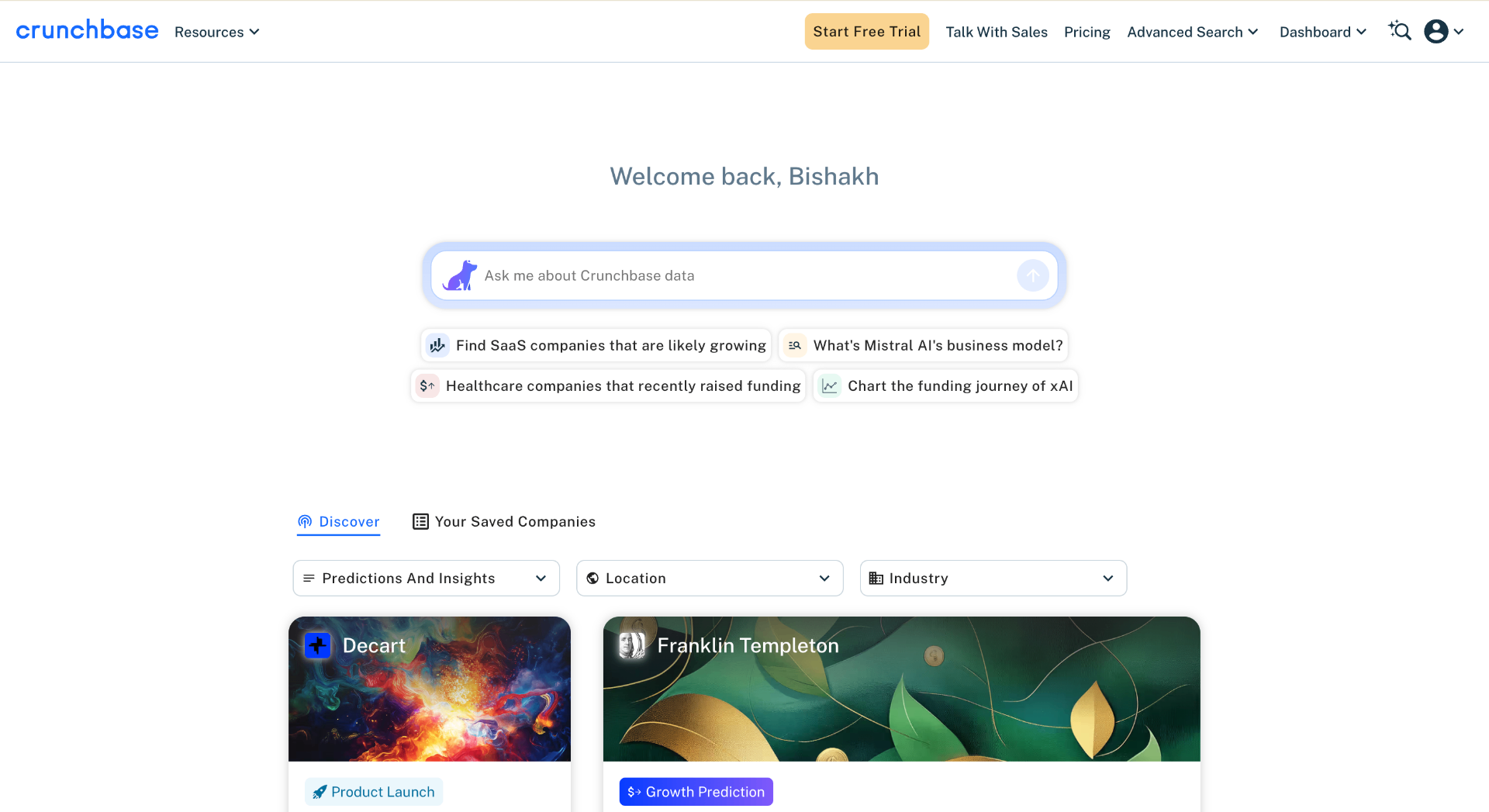
Crunchbase is less about customer acquisition and more about credibility.
Investors, journalists, recruiters, and startup communities constantly use Crunchbase to research companies. A complete Crunchbase profile strengthens your startup’s online legitimacy and improves discoverability across the web.
Website: https://appsumo.com/
Domain Rating: DR 83
Best For: Explosive user growth and lifetime deals
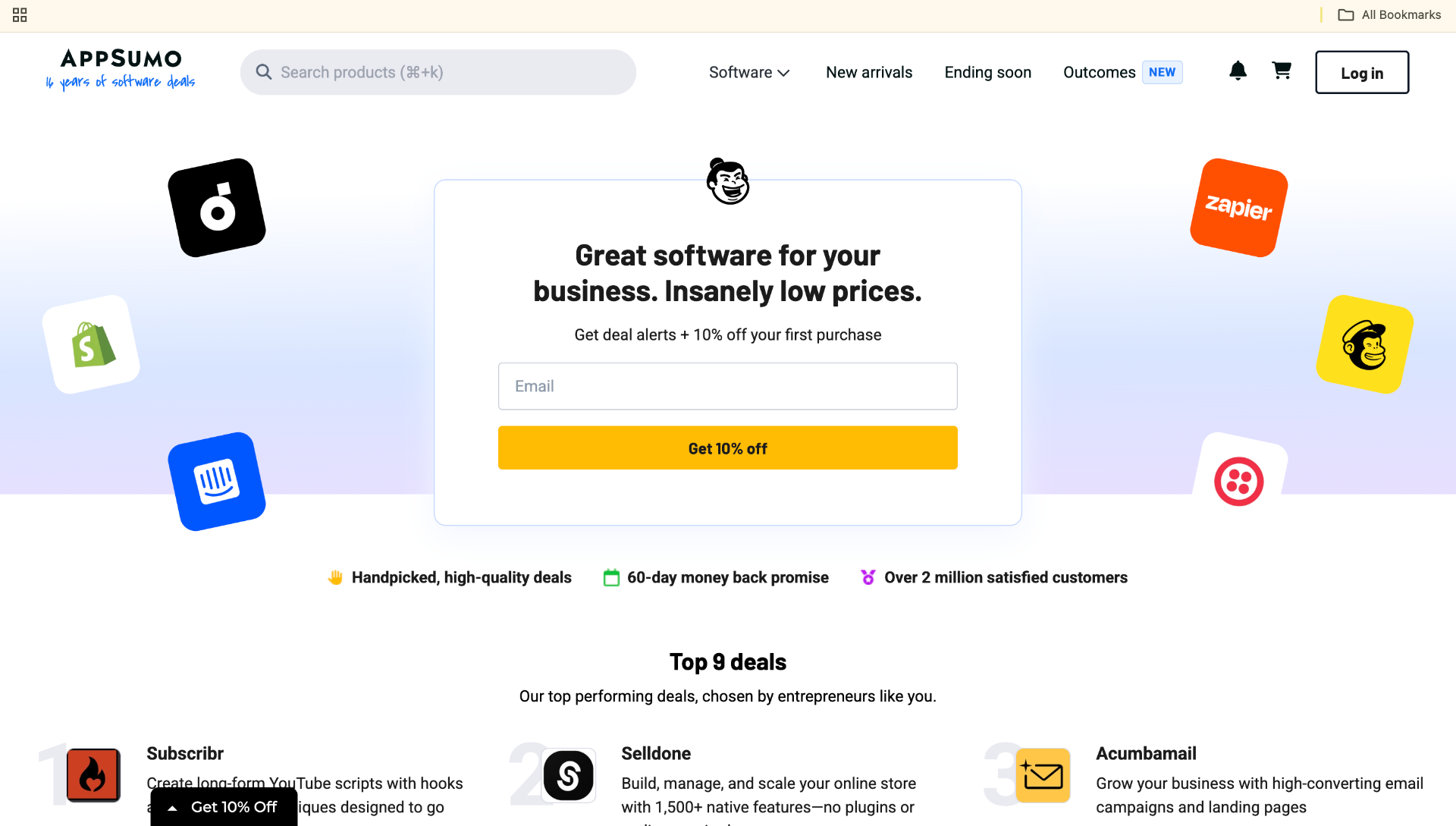 AppSumo is completely different from traditional launch platforms.
Instead of discovery, it focuses on rapid customer acquisition through software deals and lifetime pricing campaigns.
A successful AppSumo launch can generate:
But it works best for products that are already stable and ready to scale.
Website: https://www.capterra.com/
Domain Rating: DR 91
Best For: SMB software discovery
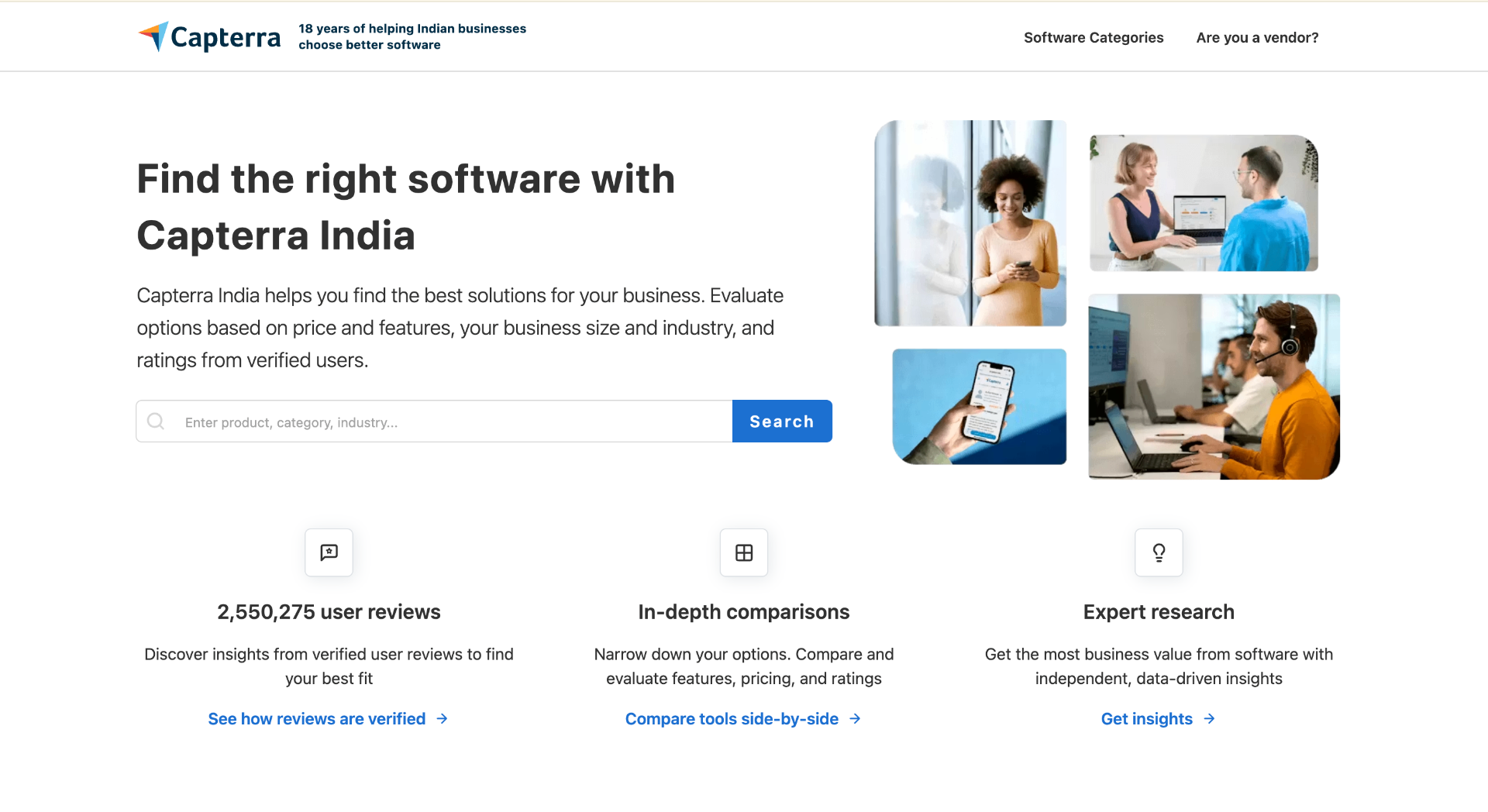
Capterra is one of the biggest software review and comparison platforms online.
The users browsing Capterra are usually actively evaluating software, which makes the traffic highly commercial and purchase-oriented.
For SaaS products targeting SMBs, operations teams, or agencies, Capterra becomes extremely valuable after launch.
Launching a product in 2026 is no longer about a single launch day or one platform. While Product Hunt remains an important part of the startup ecosystem, the products that continue growing are usually the ones building visibility across multiple channels over time. Launch communities, SaaS directories, review platforms, founder networks, and alternative-search websites all play a role in helping users discover and trust your product.
Some platforms help generate early traction. Others improve SEO, build credibility, or create long-term discoverability through search and backlinks. Together, they create a stronger and more sustainable launch strategy than relying on any single source of traffic.
You also do not need to submit everywhere at once.
The better approach is to start with a few platforms that align with your product, audience, and stage of growth, then expand gradually as your visibility grows.
At the end of the day, successful launches are rarely driven by hype alone. They come from consistent distribution, clear positioning, and showing up where your potential users are already searching for solutions.
| Software Review |
| Free / $30k |
| Enterprise procurement and long-form reviews |
| 13 | PeerSpot | Software Review | Free | Enterprise IT, cybersecurity and DevOps products |
| 14 | Pitchwall | Launch & Discovery | Free / $99 | Pre-launch validation and equal-visibility exposure |
| 15 | TinyLaunch | Niche / Indie | Free | Indie makers launching focused micro-products |
| 16 | Trustpilot | Software Review | Free / Paid | Consumer-facing SaaS and brand trust signals |
| 17 | AppSumo | Deal Marketplace | Revenue share | Rapid user acquisition via lifetime deals |
| 18 | Tiny Startups | Niche / Indie | Free | Bootstrapped and micro-SaaS founders |
| 19 | Starthub.zip | Launch & Discovery | Free | Startup discovery among tech-forward founders |
| 20 | Toolfolio | SaaS Directory | Free | Curated tool discovery for makers and creators |
| 21 | EarlyHunt | Launch & Discovery | Free | First community of users for early-stage products |
| 22 | Slocco | Niche / Indie | Free | Community-driven product sharing and feedback |
| 23 | Toolfame | SaaS Directory | Free | Tool promotion among productivity communities |
| 24 | Aura++ | SaaS Directory | Free / Paid | Automated online presence and backlink building |
| 25 | Do Follow Tools | SaaS Directory | Free | SEO-focused do-follow backlink acquisition |
| 26 | Dang | SaaS Directory | Free | AI tools and modern software discovery |
| 27 | Peerlist | Launch & Discovery | Free | Professional weekly product launches with backlinks |
| 28 | Startup Buffer | Launch & Discovery | Free / Paid | Early-stage startup promotion and newsletter reach |
| 29 | Launch Llama | SaaS Directory | Free / Paid | Multi-directory submission for founders |
| 30 | ctrlalt.cc | SaaS Directory | Free | Software alternatives community discovery |
| 31 | StartupRanking | Investor / Intelligence | Free | Global startup visibility and community ranking |
| 32 | IndieHunt | Niche / Indie | Free | AI-focused indie maker weekly launches |
| 33 | StartupBase | Launch & Discovery | Free | Community platform for makers and early adopters |
| 34 | TechnologyAdvice | Software Review | Free / Paid | B2B software leads via content and comparison |
| 35 | SaaSGenius | SaaS Directory | Free | SaaS-specific discovery and product comparison |
| 36 | AlternativeTo | SaaS Directory | Free | Long-term organic traffic from alternative searches |
| 37 | StackShare | SaaS Directory | Free | Developer tools and technical SaaS discovery |
| 38 | SaaSworthy | SaaS Directory | Free | SaaS products across all B2B categories |
| 39 | WebAppRater | SaaS Directory | Free | Web application reviews and community evaluation |
| 40 | Software Findr | SaaS Directory | Free | Bottom-of-funnel intent-driven software discovery |
| 41 | ScoutForge | Investor / Intelligence | Free | Product discovery and angel investor visibility |
| 42 | Twelve.tools | SaaS Directory | Free | Curated editorial tool discovery |
| 43 | Next Gen Tools | SaaS Directory | Free | Emerging tech and AI-powered tool discovery |
| 44 | KEN Moo | Deal Marketplace | Free | SaaS deal discovery and lifetime deal community |
| 45 | Faizer | Niche / Indie | Free | Founder community product sharing and feedback |
| 46 | SideProjectors | Niche / Indie | Free | Side projects with buy/sell marketplace option |
| 47 | LaunchIgniter | Launch & Discovery | Free | Startup launch exposure and ongoing discovery |
| 48 | Microlaunch | Niche / Indie | Free | Micro-SaaS with month-long product visibility |
| 49 | TopDevelopers | SaaS Directory | Free / Paid | SaaS tools for development-adjacent audiences |
| 50 | StartupBlink | Investor / Intelligence | Free / Paid | Global ecosystem map and investor discovery |