The way developers write software has changed dramatically over the past two years.
First came AI autocomplete. Then chat-based coding assistants. Now, developers are increasingly working alongside autonomous AI agents that can understand an entire codebase, refactor multiple files, run tests, fix bugs, and even open pull requests with minimal supervision.
But with so many AI coding tools available, choosing the right one has become surprisingly difficult.
Two names dominate almost every developer discussion today: OpenAI Codex and Codex.
At first glance, they seem similar. Both generate code, explain functions, fix bugs, and accelerate development. But once you start using them, the differences become obvious.
One behaves like an AI software engineer that works independently on complex tasks. The other feels like an AI-powered IDE that assists you while you write code.
So which one deserves a place in your workflow?
Let's compare them.
Most coding assistants wait for instructions.
Codex goes a step further.
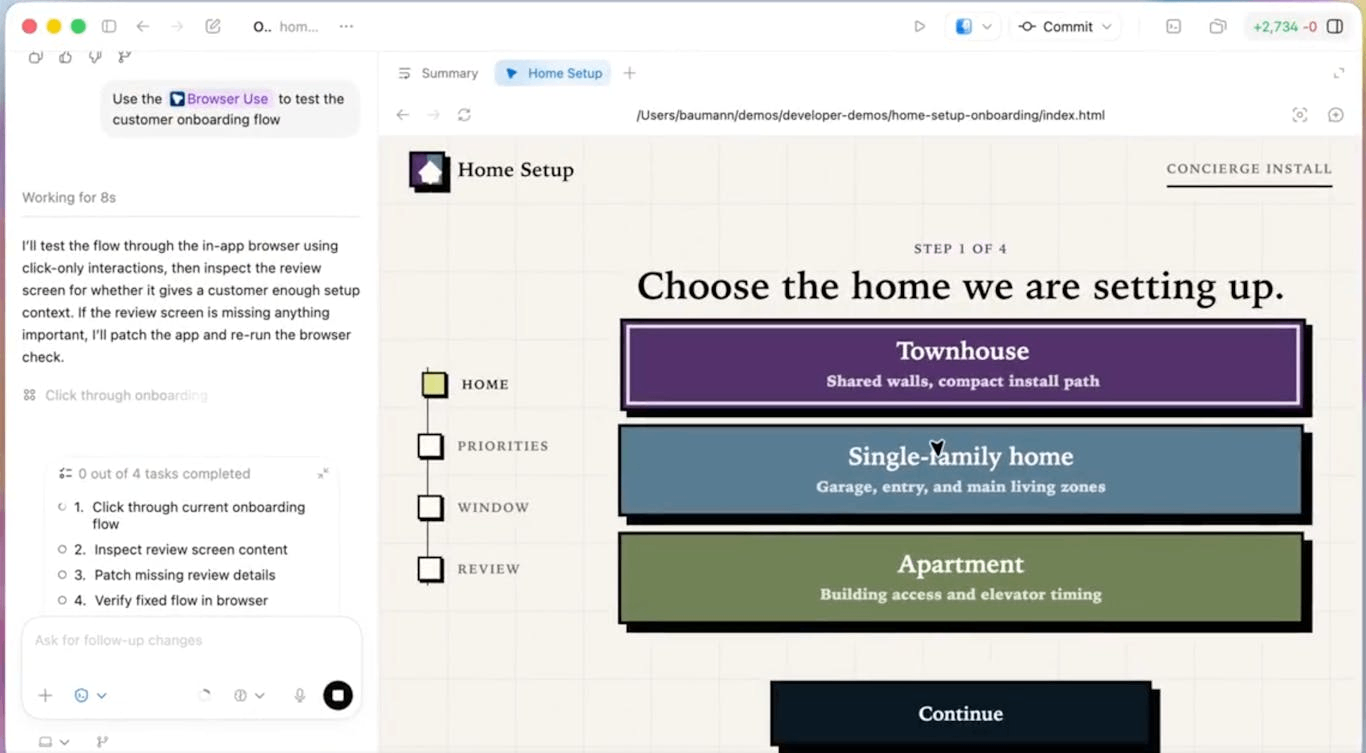
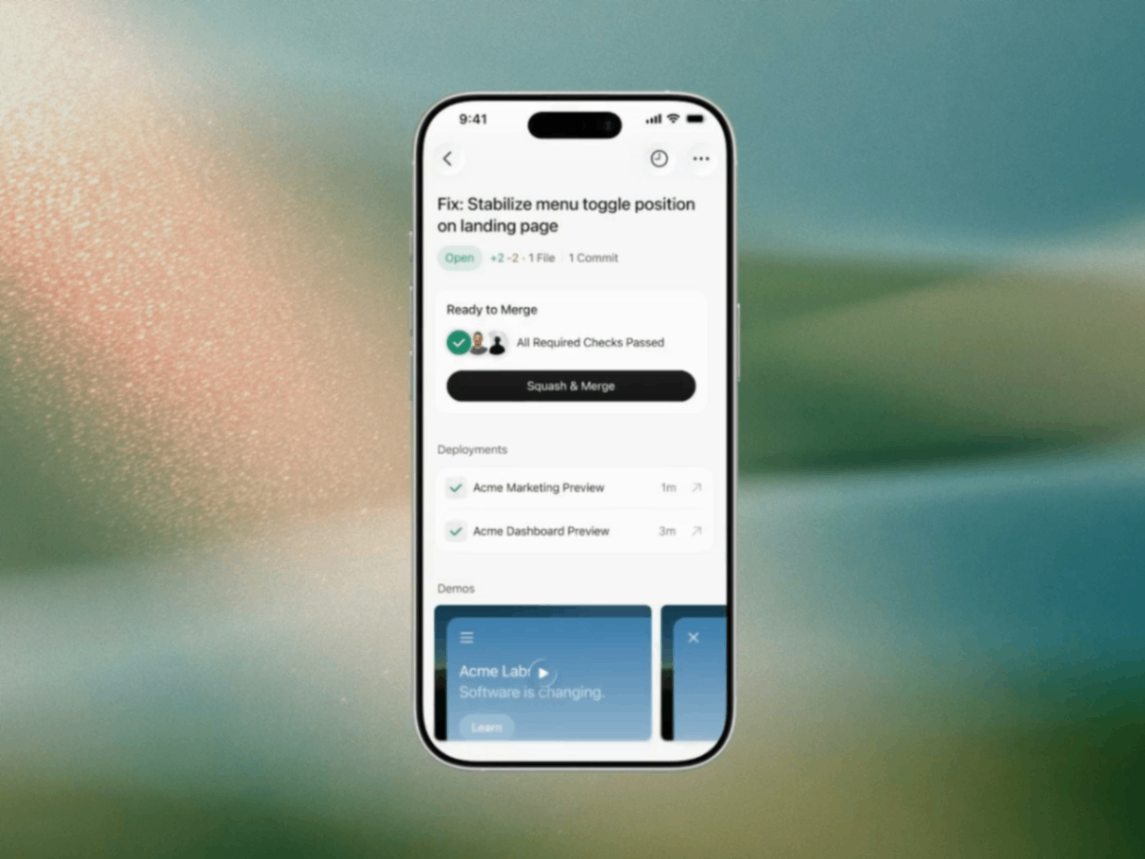
Instead of simply suggesting the next few lines of code, Codex is designed to complete entire development tasks. Give it a repository, describe the feature you want, and it can inspect the project, edit multiple files, execute commands, run tests, and present reviewable changes before you decide whether to merge them.
This shift from "AI assistant" to "AI coding agent" is what makes Codex different.
Rather than constantly asking the AI what to do next, developers can delegate larger tasks and continue working elsewhere while Codex handles implementation.
For larger engineering teams, this can reduce context switching significantly.
Codex also integrates with GitHub, Slack, development environments, and terminal workflows, making it suitable for developers who spend much of their day outside a traditional code editor. Since it is built into ChatGPT plans, developers already using the OpenAI ecosystem can move between research, documentation, debugging, and coding without changing tools.
Another strength is reasoning.
Complex refactoring, dependency analysis, architecture changes, and debugging across multiple files are areas where Codex is increasingly being adopted. Recent research also found that agentic AI workflows are growing rapidly among both individual developers and organizations, with Codex usage increasing more than fivefold during the first half of 2026.
If your workflow involves reviewing code, assigning large implementation tasks, or maintaining enterprise-scale repositories, Codex feels less like autocomplete and more like another engineer on the team.
Cursor takes a completely different approach.
Instead of replacing your editor, it becomes your editor.
Built on top of VS Code, Cursor integrates AI into almost every part of the development experience. As you type, it predicts edits, explains unfamiliar code, rewrites functions, generates tests, and modifies multiple files without forcing you to leave the editor.
This creates a workflow that feels remarkably natural.
Developers continue writing code while the AI stays available inside the IDE, ready to answer questions or implement changes whenever needed.
One of Cursor's standout features is Composer, which understands instructions like "add authentication" or "convert this API to TypeScript" and updates multiple files simultaneously. Combined with its project indexing capabilities, Cursor develops a strong understanding of the entire repository before making suggestions.
Another major advantage is model flexibility.
Unlike Codex, which focuses on OpenAI models, Cursor allows developers to choose from multiple frontier models, including GPT, Claude, Gemini, and its own optimized models. This flexibility appeals to developers who prefer switching models depending on the task.
Community discussions consistently highlight Cursor's fast editing experience and intuitive interface, especially for day-to-day software development. Many developers describe it as the closest experience to AI pair programming available today.
For developers who spend most of their time actively writing code, Cursor often feels like the more seamless experience.
Although these products compete in the same category, they are solving different problems.
Codex is built around delegation. It works best when developers want to hand off larger engineering tasks, allow an AI agent to work independently, and review the final output. Teams working on large codebases, infrastructure, backend systems, or enterprise applications may benefit the most from this approach.
Cursor is built around collaboration. Rather than replacing the coding process, it enhances every step of it. Developers stay inside the editor while AI continuously assists with writing, editing, debugging, and refactoring code.
Neither philosophy is objectively better.
It depends entirely on how you prefer to build software.
Some developers even combine both tools, using Cursor for rapid implementation inside the IDE and Codex for autonomous background tasks, larger refactors, and repository-wide changes.
AI coding tools are no longer just generating snippets. They are becoming active participants in the software development process.
OpenAI Codex represents the next generation of autonomous coding agents that can reason through complex engineering tasks with minimal supervision. Cursor focuses on creating the smoothest possible developer experience by embedding AI directly into the coding workflow.
If your goal is to move faster while staying in your editor, Cursor remains one of the strongest choices available.
If you want an AI agent capable of planning, implementing, testing, and completing larger development tasks on your behalf, Codex is one of the most ambitious platforms available today.
Whichever direction you choose, one thing is clear. The future of software development is no longer about writing every line of code manually. It is about working alongside AI that understands your codebase, your intent, and increasingly, your entire development workflow.
