
Best Developer Tools products of the week November 9, 2026
Explore the most innovative and popular developer tools products that captured the community's attention during week. These rankings help builders compare standout launches, understand what each product does, and discover practical tools shaping the future of technology.
Period
Weekly ranking
Published for
November 9, 2026
Selection
10 ranked products
Ranked list
Community-backed developer tools picks
Each product profile includes the launch story, visual preview, and direct product link so readers can move from discovery to evaluation quickly.
01

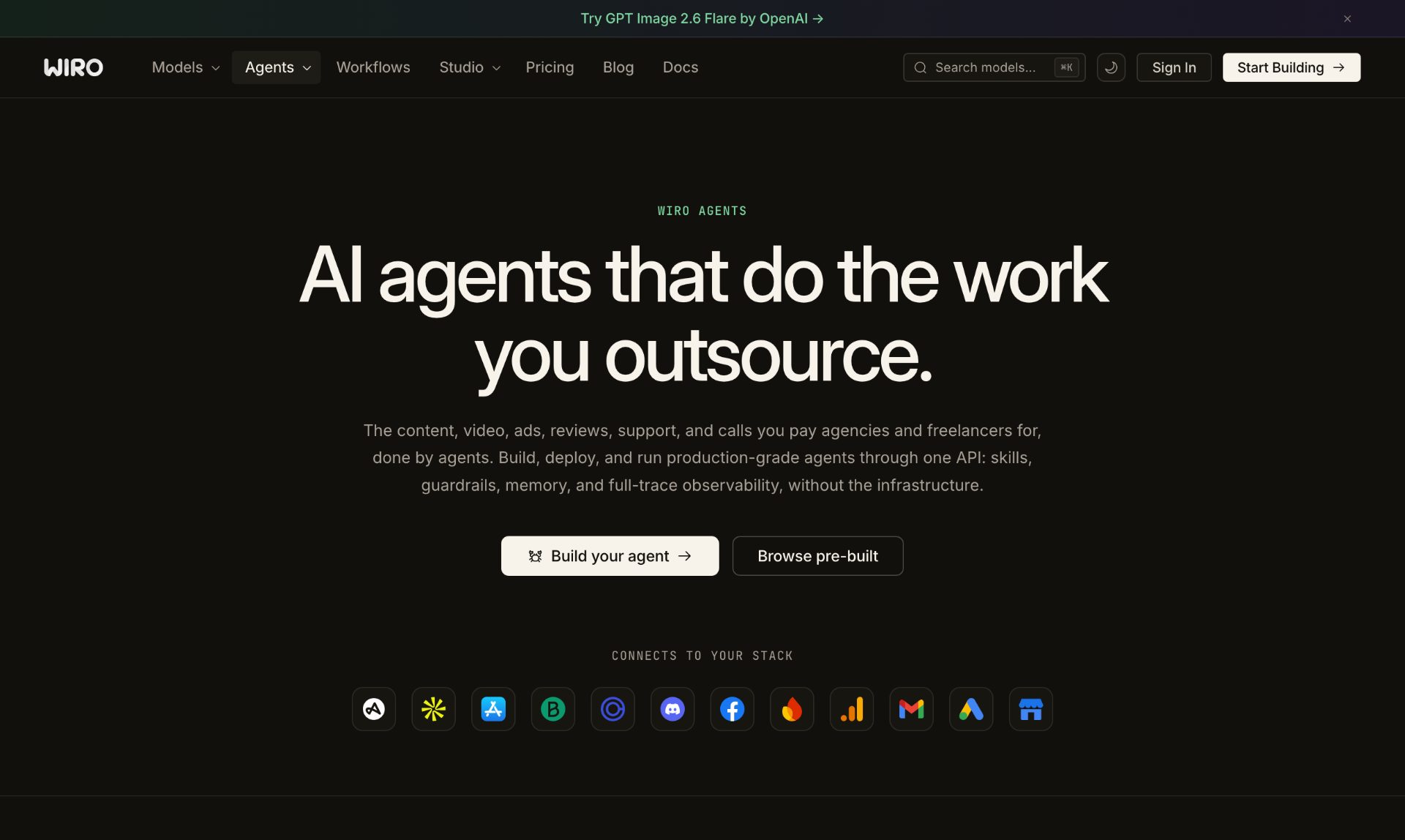
One platform for generative AI: run 1,000+ image, video, speech, music, 3D and LLM models through one API, chain them into workflows and deploy hosted AI agents. Webhooks, an OpenAI-compatible LLM endpoint, SDKs, an MCP server and pay-as-you-go model pricing.
02

LiveReview is built to deliver production results, not just flag issues. It aims to reduce incidents and rollbacks and take load off senior reviewers. Every pull request gets a risk score. The lowest-risk 30% to 50% are safely auto-approved, while risky changes go straight to the engineers who need to see them. The approach is inspired by Meta's highly successful internal AI review system, which reportedly cut production incidents by 50x and rollbacks by 3x. It combines LLMs, ML trained on incident data, and code-graph analysis. It is free and self-hostable.
03
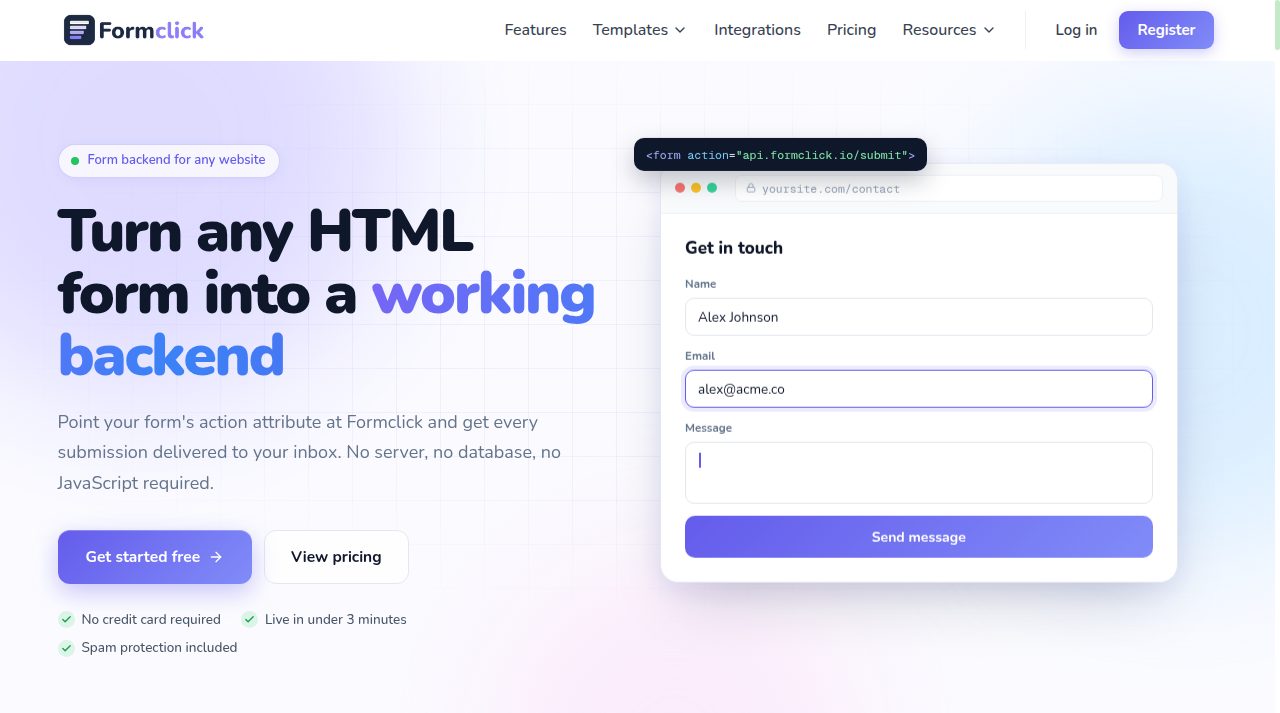
Formclick is a form backend for any website. You point your form's action attribute at the Formclick endpoint, add your access key as a hidden input, and every submission lands in your inbox. There's no server to deploy, no database to manage and no SDK to install, and a plain HTML form works with zero JavaScript. It fits static sites, WordPress, Webflow, Framer, Squarespace and any framework that lets you set an action attribute or drop in a raw HTML block. The same endpoint works in JavaScript, React, React Native, Ionic, Flutter and Expo, and you keep your own markup and styles either way. Behind that one endpoint you get instant email notifications with every field labelled, a searchable submission dashboard with CSV export, and spam filtering with rate limits, duplicate detection and honeypot fields. Paid plans add Google reCAPTCHA or Cloudflare Turnstile, autoresponder emails, file uploads up to 5 MB and domain restriction. Submissions can also be pushed to 17 connected apps and databases, from Google Sheets and Notion to PostgreSQL and Discord, so you skip building delivery, storage and spam control yourself.
04
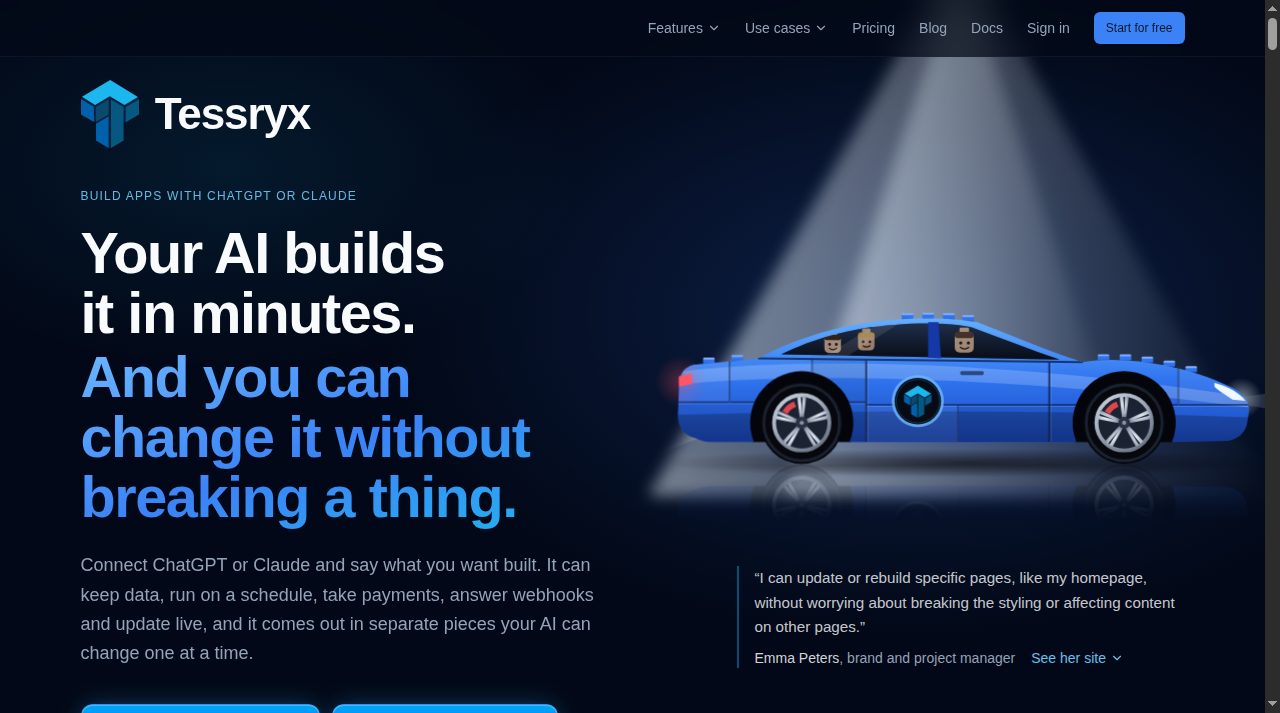
Tessryx lets ChatGPT, Claude or any MCP client build and run web apps for you. Describe a client portal, a booking page, a Slack bot or a multiplayer game. Your AI builds it from pages, forms, data and scheduled jobs, and it's live at a tessryx.app address, or on your own domain on a paid plan. No code to deploy.
05

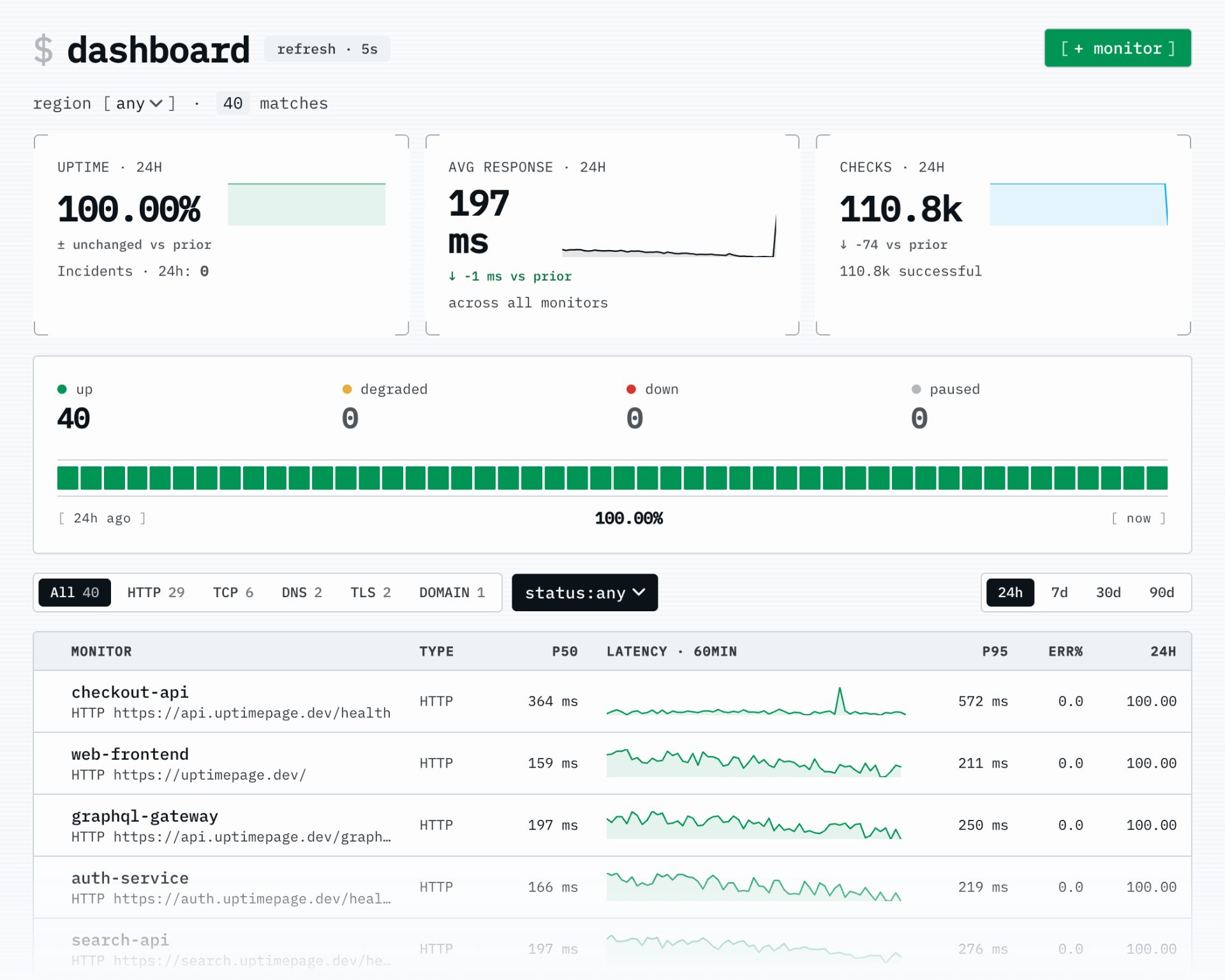
Uptimepage checks your websites and APIs from up to 13 regions, alerts your team or whoever is on call when something fails, and keeps customers informed on a hosted status page. The free plan needs no card, paid plans start at $9 a month, and the code is open source, so you can self-host it.
06

Skillbox keeps your AI skills in one central library and syncs them to Claude Code, Cursor, and Codex. You can follow GitHub sources, review diffs, and scan each version for prompt injection risks. There is also a Trim feature that shortens noisy command output so your sessions last longer and stay easier to read. It is a simple way to keep your prompts and skills organized and safer to use.
07

Arcjet is a runtime security platform that ships inside your AI code. It helps you detect prompt injection, authorize agent tool calls, redact sensitive data, and block bots and abuse. Think of it as real-time security building blocks you call inside your app, before an action happens, so you can add protection without slowing down development.
08

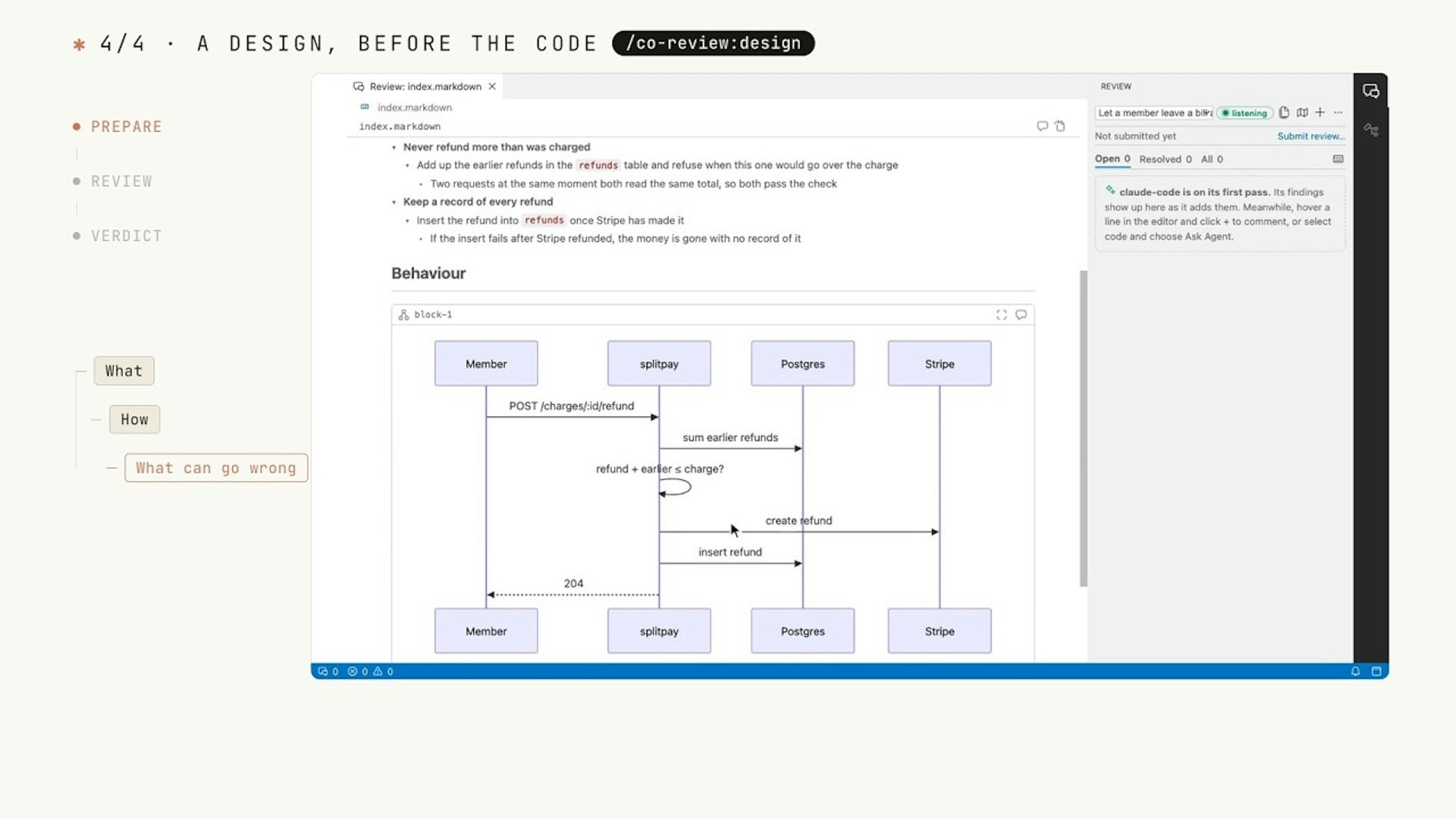
Agent-built code can work, but it may stop feeling like yours. Co-Review opens the whole repository as a review, so you can comment on a line, file, or folder, ask why, and get answers from the agent based on the code. It also reviews diffs, pull requests, and designs. It is free, open source, and has no telemetry.

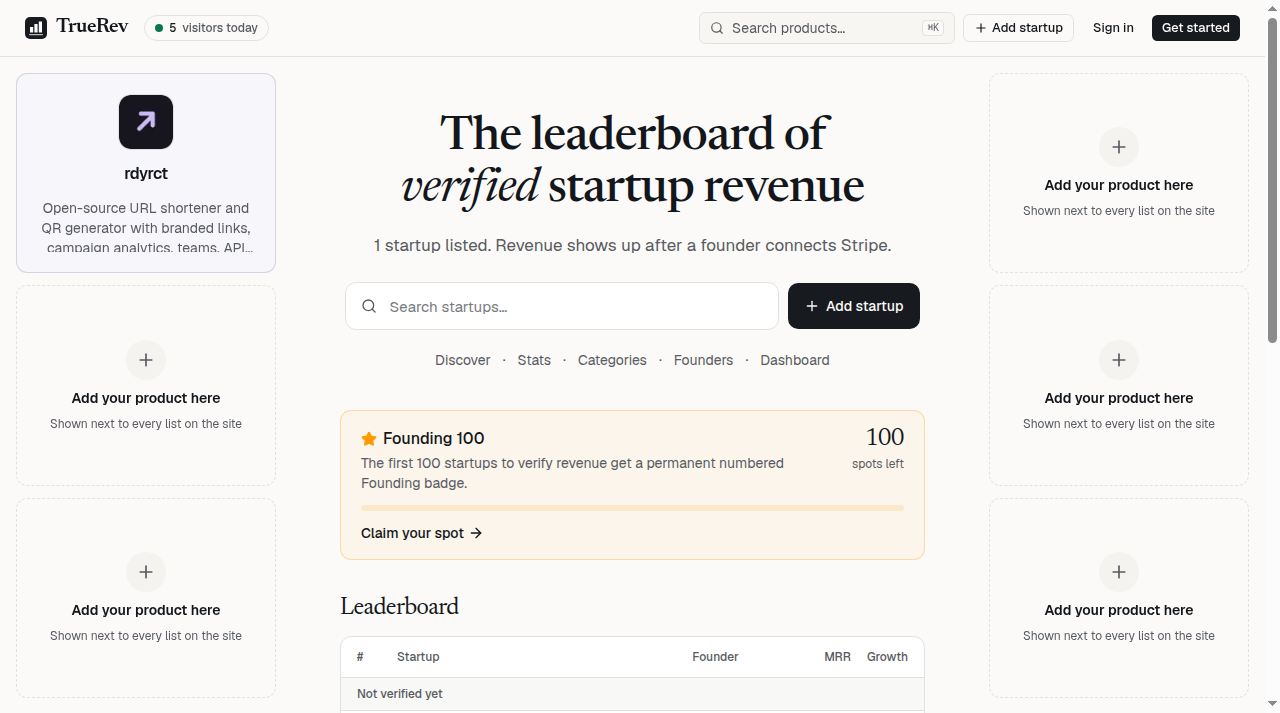
10
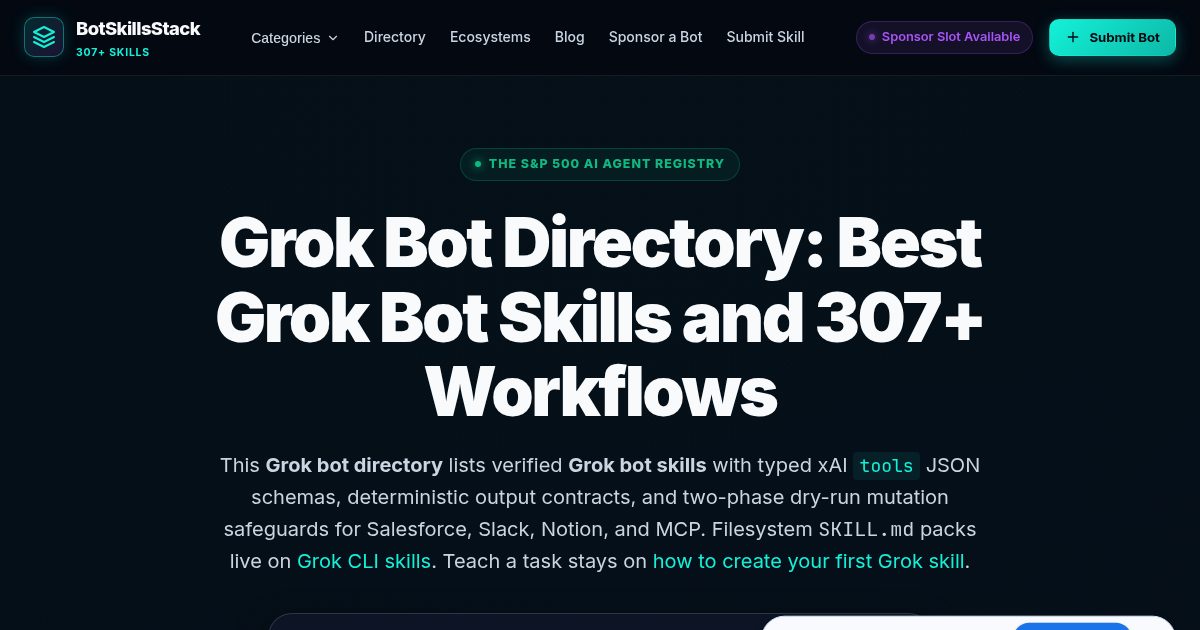
A good Grok bot skill has four parts, and BotSkillsStack publishes all of them for every listing. First, a setup prompt. You paste it into Grok Bot or another agent you already use, it asks for the details it needs, and then it saves itself as a bot. Second, a typed xAI tools JSON schema, so the model calls functions with the right arguments instead of guessing. Third, a response contract written as JSON schema, which keeps the output in a shape your other systems can read. Fourth, a list of apps to connect first, for example Salesforce and Notion for the account tiering skill. There are 307 of these packages, grouped into nine categories that run from sales and marketing to engineering, executive and ops, customer success, productivity, market intelligence and personal assistants, with a section for MCP server entries. Cards on the category pages have Copy Prompt and View Schema buttons, so moving a skill into your own setup is quick. Anything that edits a CRM, inbox or database uses a two phase guard. The bot produces a preview of the change and only writes after explicit confirmation. A 22 article engineering blog sits alongside, with guides on SKILL.md files for the Grok CLI, connecting MCP servers and keeping tool using agents safe from prompt injection. BotSkillsStack is free, needs no account and is not affiliated with xAI.